Author: USFSA

  • Farming with Influence

    By Shalon Jones
    Mississippi Association of Southern Cooperatives

    Sixth in the South Africa-US Agroecology Exchange Article Series
    Jones1

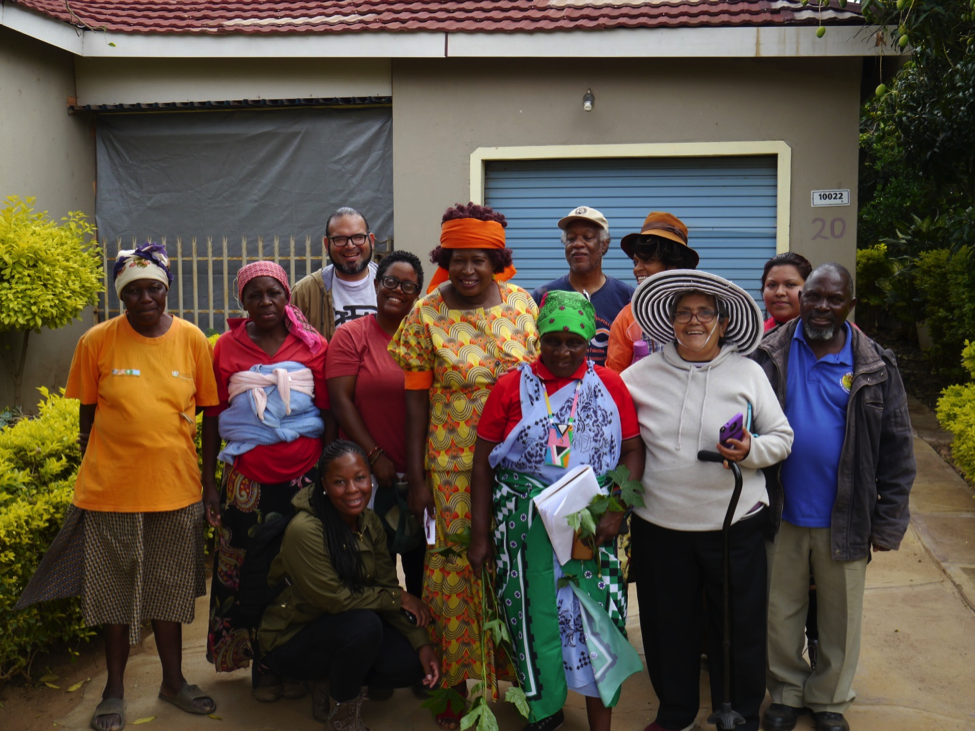
    In October 2017, I was offered the opportunity to participate in a US-South Africa agroecology exchange, representing the Mississippi Association of Southern Cooperatives alongside Mr. Ben Burkett.  With much excitement and anticipation, many thoughts ran across my mind. Although this was a journey to gain understanding, knowledge, and bring awareness,  this experience was soon to turn into a revelation.
    Jones2

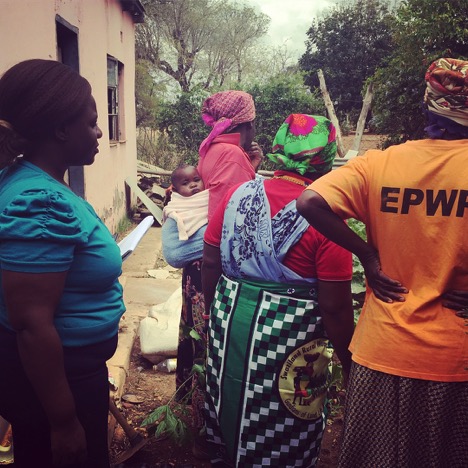
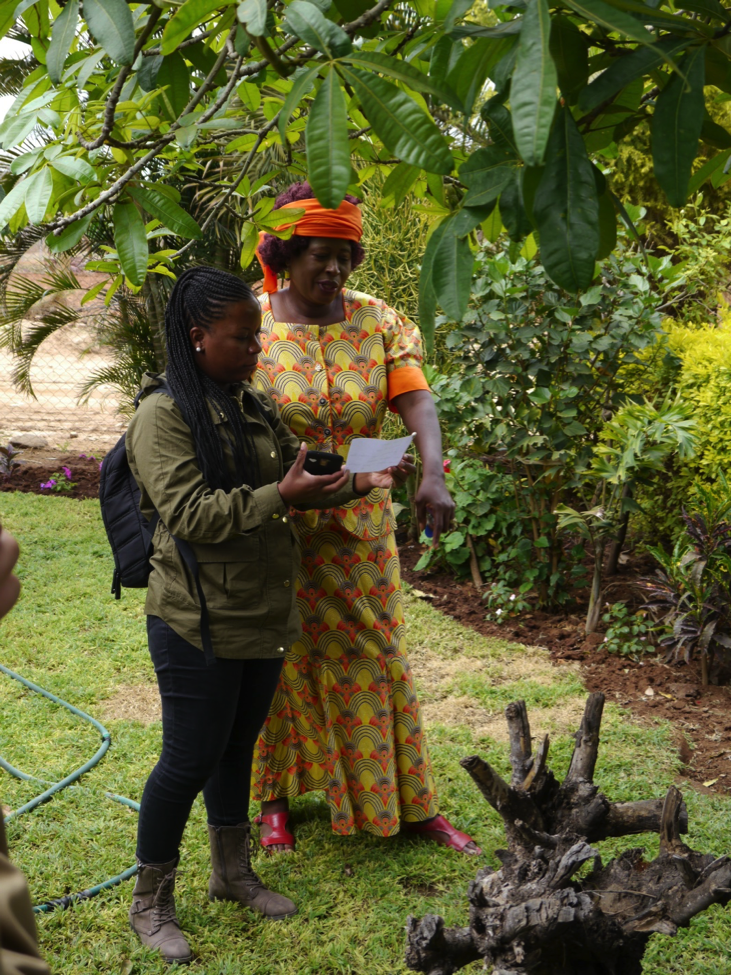
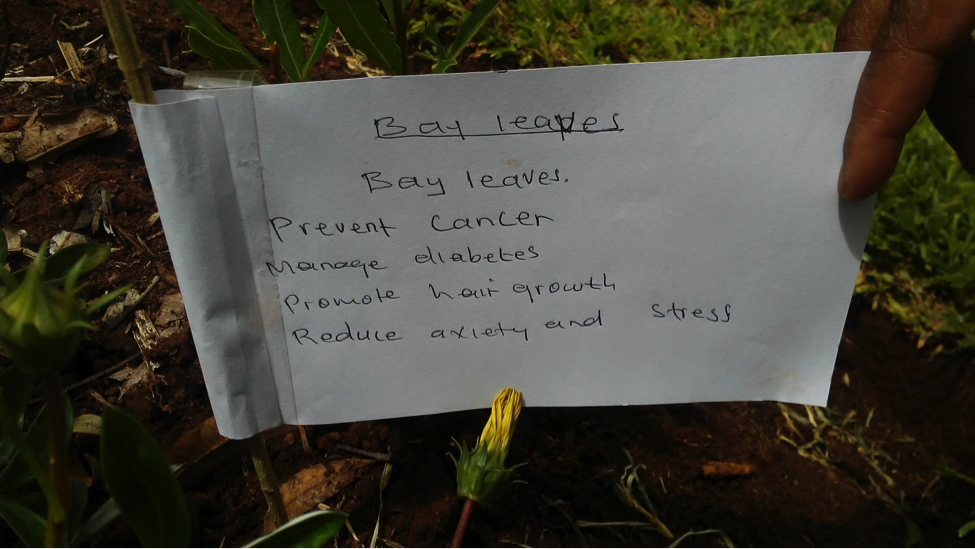
    I was always a person who loved embarking on opportunities and enthusiastically willing to learn new things. My most recent work allowed me to engage with many individuals and families about healthy eating tips and how to break unhealthy eating habits growing up. In the province of Limpopo, after visiting the Maphata Herbs Project, organized by a member of the Mopani Farmers Association named Olga, I began to see the remedy was literally at home. I toured a beautiful garden filled with home grown herbs and vegetables. All created for prevention and healing. While witnessing all the great things in Olga’s own yard, I began to think about my uncle, whose life ended due to prostate cancer illness.  Right in the midst of walking through the yard there was this thought: “If I had this knowledge, could we have prevented or helped him be with us longer?” Every part of the tour was filled with enthusiasm and love. Thinking about my work, I think about how I’ve been giving the communities I serve and even myself an injustice. Not only do we need to support local farmers but learn how to grow for ourselves. This will not only help us, but everyone connected to us.
    Jones3

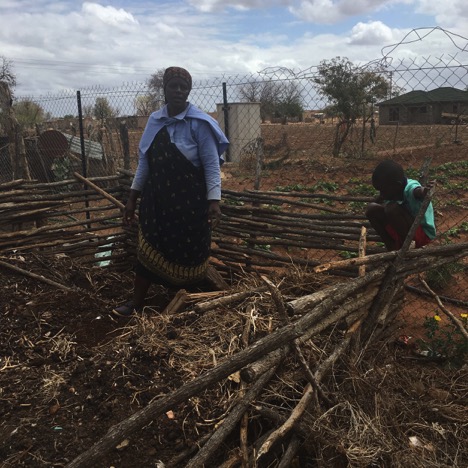
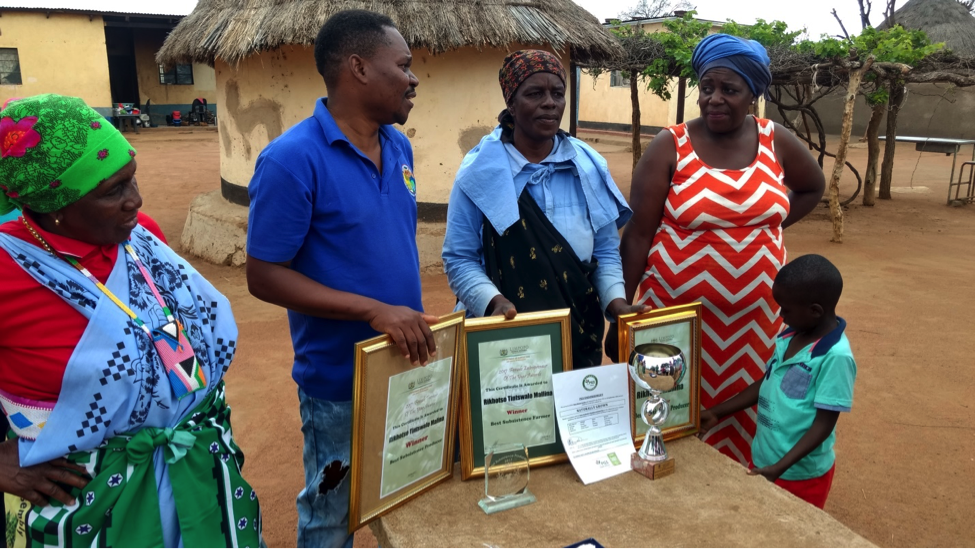
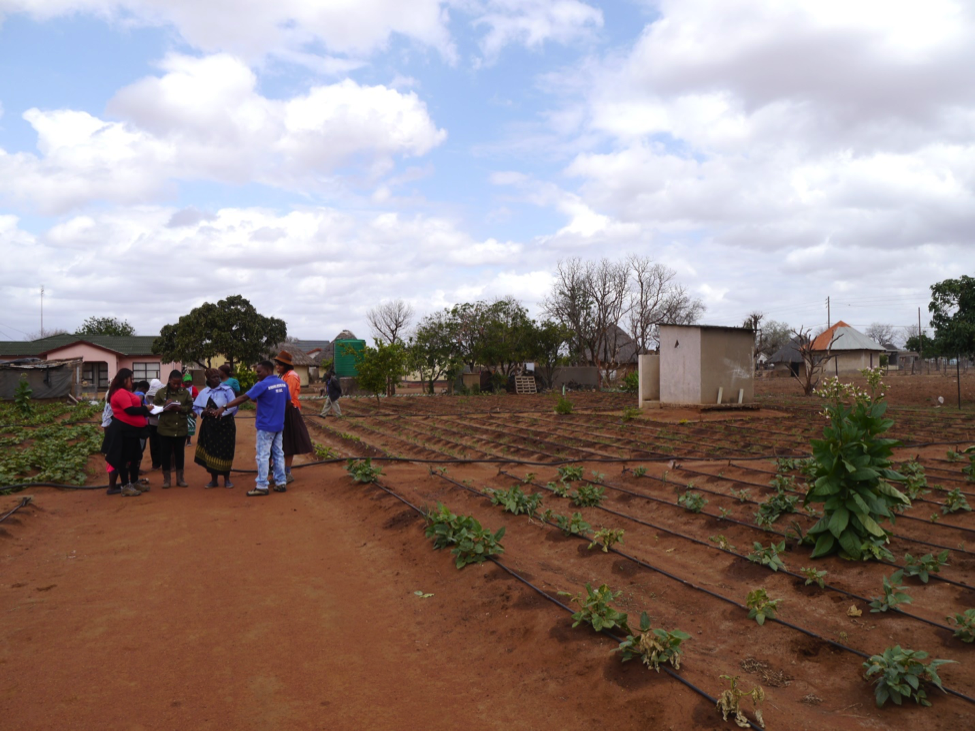
    Another impactful moment was with another female farmer, Ms. Rikhotso Tintswalo Mallina, a community resident and Mopani Farmers Association member that organically grows over 20 different fruits and vegetables. In spite of her lack of resources, Ms. Rikhotso has found ways to keep her garden flourishing with a variety of produce that not only feeds her family, but the community as well.
    Jones4
    Jones5

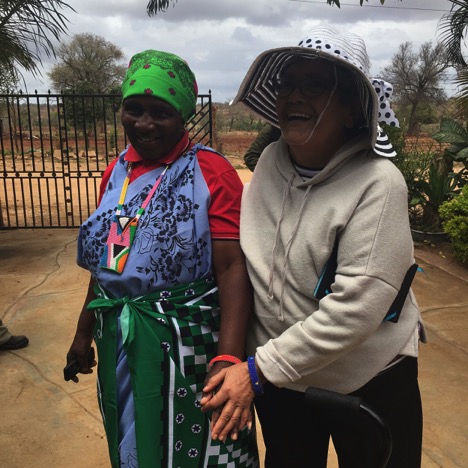
    Both of these farmers’ undeniable influence and compassion is appreciated throughout their villages and now has crossed over to the USA. While there were many more moments worth saying both experiences have caused me to not use my current apartment living as an excuse not to plant.  Once arriving back in Louisiana, I planted broccoli, lettuce, and rosemary.

    Now when I walk out my door I will think about who inspired me!  It was all because of our South African comrades inspiring us to continue to fight for what’s best! Ms. Rithotso stated “when I met the MFA, I began to understand that it was possible.” I’m glad to say “when I met my fellow comrades, I understand that it really is possible.”

    With much gratitude,

    Shalon Jones
  • En La Lucha No Hay Fronteras (In the Struggle There Are No Borders)

    By Kathia Ramirez
    Organizer, CATA (Comite de Apoyo a los Trabajadores Agricolas/ The Farmworkers’ Support Committee) 

    Fifth in the South Africa-US Agroecology Exchange Article Series

    In October of 2017, I had the opportunity to travel with 7 other comrades on an Agroecology Exchange to South Africa. This Exchange was a continuation of a process that had initiated in 2015 which was the same year that I was introduced to the US Food Sovereignty Alliance. Although there was much traveling, it was an amazing experience to see and learn from farmers, farmworkers, activists, and people in the community who are struggling due to the current food system.

    usfsa1

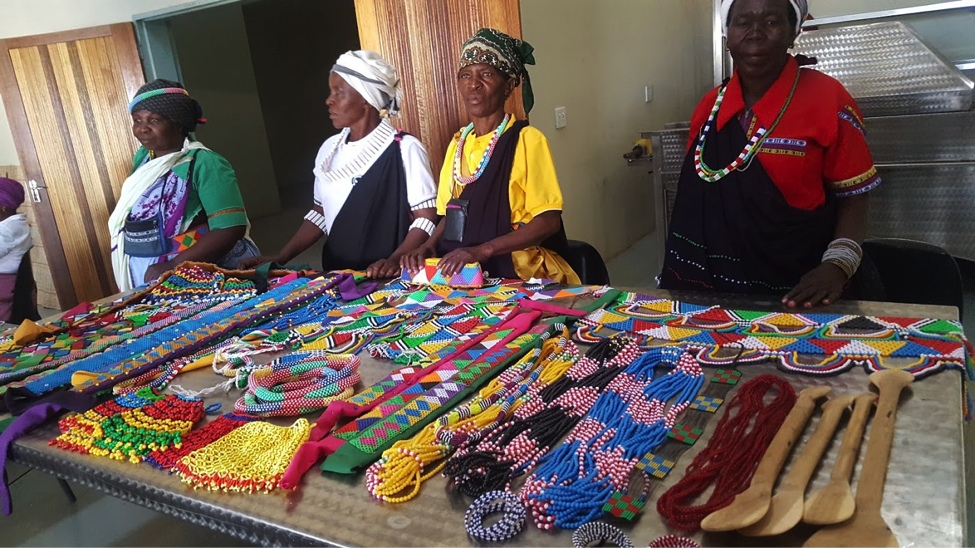
    During the trip, I had the opportunity to interpret for another delegate and feel the dynamic of how language is not a barrier to being able to relate across seas. The experience interpreting allowed me to relate and connect both with people in South Africa as well as to the stories that were shared with me from my same culture since I share a similar background to the delegate I was interpreting for. During our visit to Limpopo, members of the Mopani Farmers Association put together a cultural event just for us and once again, I felt the connection through dance and music despite our different backgrounds. It brought so much to mind for me: from appreciating the work that I am doing to learning more about my own culture from which at some point I have felt very disconnected.

    USFSA2

    When we arrived in Citrusdal, Cape Town and were hosted by the Surplus People’s Project, we honored International Rural Women’s Day through participating in a Day of Action for Food Sovereignty, and an assembly for the International Day of Eradication of Poverty. As members and allies of the US Food Sovereignty Alliance, we participated on the last day and had the opportunity to share about our experiences and also had the chance to be part of a panel discussion, where we had both Farmer and Farmworker delegates sharing their stories. Among those on the panel were member organizations from The Agrarian Reform for Food Sovereignty Campaign. It was amazing to see how even though we joined these organizations on the last day of their three-day meeting, we were easily able to engage because our struggles are very similar. We were also very welcomed to engage when we participated in a meeting with Urban Farmers in Cape Town, and again, we identified some of the same issues that are affecting us although we are from two different countries.

    USFSA3

    Based on the work I do at the ground level as the Food Justice Coordinator with CATA- El Comite de Apoyo a los Trabajadores Agricolas- or the Farmworkers Support Committee, I was able to connect with the work of farmworkers in South Africa.

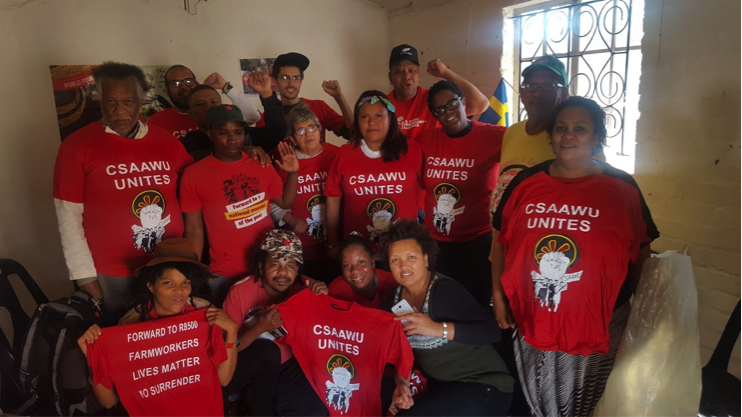
    CATA is a farmworker organization that has been working to improve workers’ conditions for quite some time. During our stay in the Western Cape, we had the opportunity to be in dialogue and hear the stories of farmworkers with the CSAAWU [Commercial, Stevedoring, Agricultural and Allied Workers Union] and the Rural Legal Center. The farmworker struggle is universal: as we were listening and learning about their experiences, it only reminded me of the struggles farmworkers face here in the USA. There are many parallels that vary from exploitation of work, intimidating the worker who speak up, not acquiring proper health care when injured, discrimination, etc.

    At CATA, we work with migrant farmworkers and the immigrant community many of whom are from Mexico and Central America. We see many injustices in their work lives but also their everyday lives. I am hopeful that we can create a global movement where farmworkers are on the frontlines advocating and fighting for a dignified life.

    Seeing the perspectives of farmers as well as from farmworkers during the exchange was really important and I am very grateful for this opportunity. . In order for us to change our current food system that is harming us all as people, small scale farmers and farmworkers are essential to this process. During our stay in the Western Cape Region we learned a chant that was shouted in various occasions and I would like to share with you all. It was a call and response type of chant.

    Someone would shout AMANDLA! with their fist held high. Amandla is a Zulu and Xhosa word (2 of the 11 official languages in South Africa). Then, the rest of the crowd would reply with: AWETHU! It is said that it was used during the days of resistance against the apartheid system.

    Amandla, meaning power, Awethu referring “to us” or the people.

    USFSA4

    Amandla!
    Awethu!

  • Justina’s Reflections on the US-South Africa Agroecology Exchange

    By Justina Ramirez, Farmworker Association of Florida community leader in Homestead, Florida

    Fourth in the South Africa-US Agroecology Exchange Article Series

    IMG_2168In October 2017, I represented the Farmworker Association of Florida in a delegation of seven African American, Latinx, and Mexican farmers and farmworkers from the US arrive in Johannesburg, South Africa to participate in the second South Africa-US Agroecology Exchange. For 10 days, they traveled around urban and rural South Africa to meet with small farmers, farmworkers, Agroecologists, and organizers in the Food Sovereignty movement to learn and exchange social, political, and technical aspects of Agroecology.

    Farmers and farmworkers everywhere in the planet are going through similar struggles and fighting the same issues—mainly, the power and the violence of industrial agriculture. Their situation in South Africa is different than ours here in Florida in two big ways. First, they’ve been going through a major drought that has lasted since 2010. They’re struggling to keep their crops and their animals alive. Second, they have a lot of transnational corporations that are grabbing lands and sometimes stealing lands and the government supports the corporations, not its people. We struggle with transnational corporations here too, but in a different way.

    The people we met were so generous in the way they shared their wisdom, experience, struggles and joys with us. It was incredible to see how they persevere in the face of systemic oppression.

    I plan to teach my community how to make and use liquid biofertilizer to improve the health and vitality of our gardens and protect them from pests. Claudia from the Mopani Farmers Association showed us how to make it using leaves of the Moringa and papaya plants. We have these plants in all of our gardens and many of our homes! 

    IMG_2170

    I’m so grateful to the organizers and our hosts in South Africa for this incredible experience! I know we’re going to find way to unite our strengths and support each other as we struggle for food sovereignty here and in South Africa.

    IMG_2169

  • Thoughts on Intimacy with Food, Land, and Women from South Africa: “Where there are women you can never go wrong”

    By Alsie Parks, Field Organizer for Southeastern African American Farmers Organic Network (SAAFON)

    Third in the South Africa-US Agroecology Exchange Article Series

    Untitled.jpg1

    Black women possess knowledge that comes from a deep place of knowing and nurturing.

    “Innate agrarian artistry is the womanist praxis of using deep-rooted knowledge as a creatively healing, ancestrally honoring, and community self-determination act of land-based resistance, “ is a statement collectively written by Black Women farmers, activist, and scholars Kirtrina Baxter, Dara Cooper, Aleya Fraser, and Shakara Tyler.

    I carried this wisdom and deep knowing within before reading the words that articulated the truths I’ve felt and held in practice, gifted to me from my motherline. Acknowledging that the motherline of all Black folks part of the diaspora trace back to Africa is a precious process of reclamation and explorations of identity. So, the opportunity to journey to South Africa with our delegation, there as part of a learning exchange, I carried this wisdom with me as I ventured onto lands never touched and without expectation. My understandings of the U.S. Deep South and the Global South are ripe with connections as motherland.

    Untitled

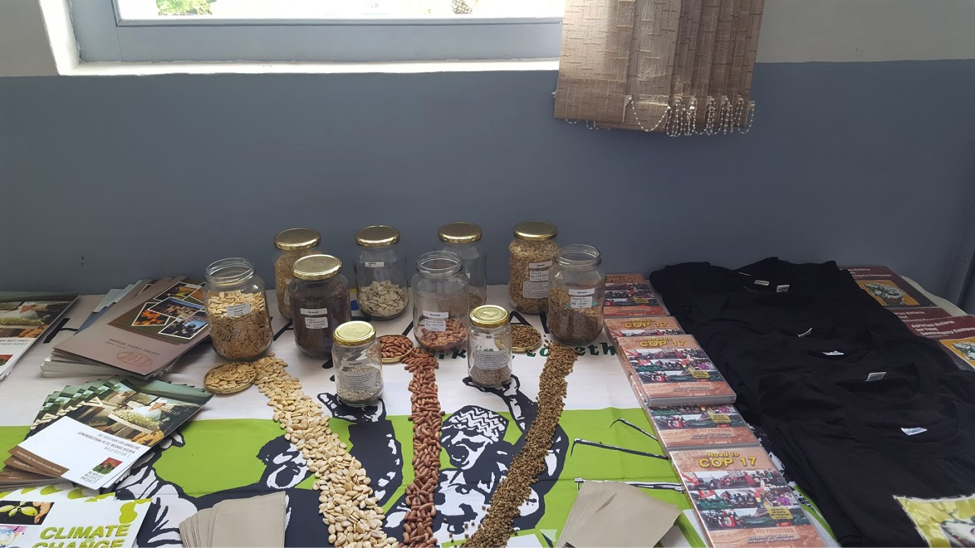
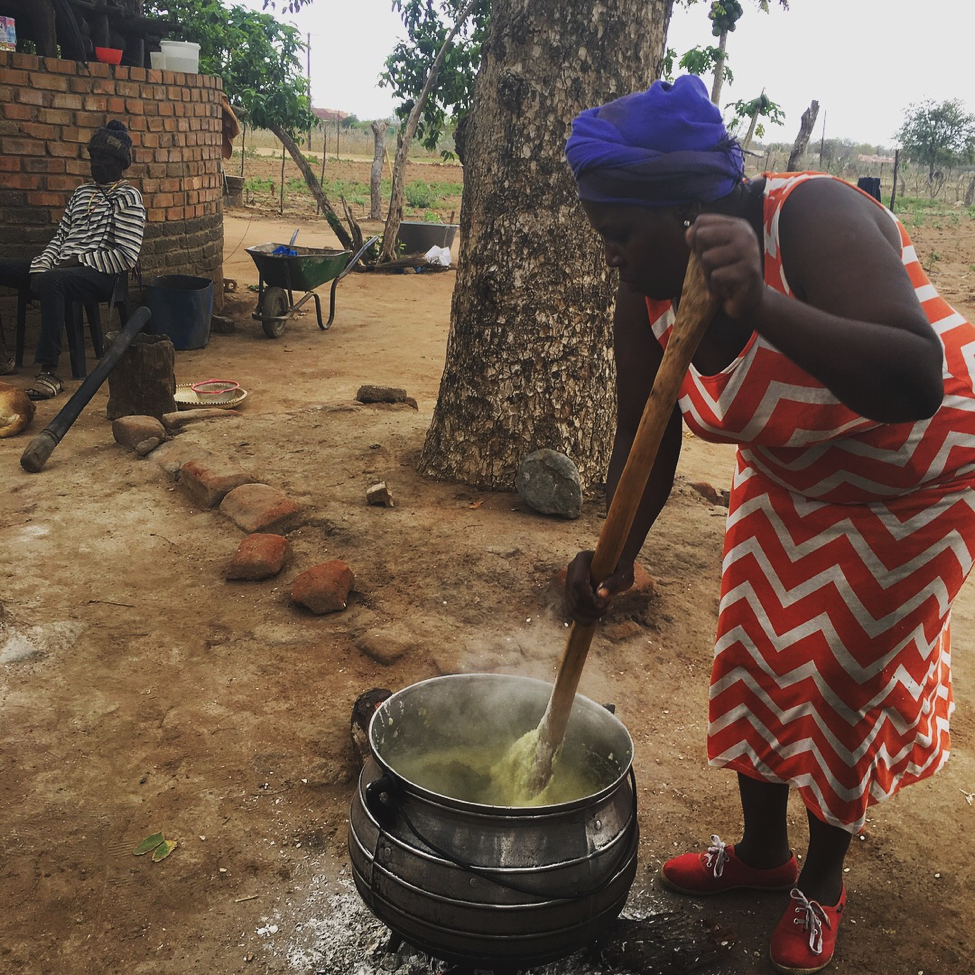
    Traveling to Limpopo and visiting with the farmers of the Mopani Farmers Association resonated most with my freedom dreams and longings for home sourced from spirit, ancestral memory and motherline. The preparation of traditional family dishes. The exchange of plants and herbal remedies. Mamas, daughters and granddaughters all tilling the fields. Tactical organizing through stirring the pot and turning the soil. Stories shared on the rivers drying up and celebrating the rain. Seed saving techniques I’ve never seen before. Gathering up clay for my altar. With each hand held, open arms extended, and knowing looks of love. The generosity is what heals and sustains us. The actions and rituals are what we have to practice. All wildly affirming.

    Untitled

    The Mopani Farmers Association is made up of 1,300 farmers across villages in the District. Their land is communally stewarded and tribally governed. The lived experiences of the Women, of the families in this region were something I wanted to give careful consideration and collect stories to share. With 80% of the members as Women, nearly every farm we visited offered indication of how innate agrarian artistry was being practiced and shared reverence for the Women, the mothers, was woven throughout the organizing methodology of the association. As well, the belief that foundational in their work to empower community members was through a “cultural way of relating to our land and environment”.

    Untitled.jpg4

    On the executive committee was an elder affectionately known as “Mama” and considered the “organic intelligentsia” of the organization. This consideration acknowledges the wisdom that women offer to all of life’s work, but especially with respect and concern for nature and how we approach organizing in our communities. Her guidance and generosity was clearly foundational for the Mopani Farmers Association and the ways she brings people together and teaches was an honor to witness. With the Mopani Farmers Association there was clear leadership from women elders as the main demographic of farmers but also uplifting the divine wisdom held was woven into all the spaces, from meetings, farm visits and cultural offering spaces. Sharing this wisdom was embedded intentionally into every experience offered to us. Each farm visit we took invited us into the care and consideration women had for the land they tended and the seeds they saved.

    Untitled.png5

    Our hosts shared the critical issues of the area, unemployment, land access, access to water, lack of support, crime, and sustenance. The impacts of climate change being their biggest challenge, bringing new pest and diseases, rivers drying up, animals dying, 20 year old fruit trees no longer producing, a drought like they haven’t seen in the past 100 years. This experience left me with something to consider deeply, the social and political responsibility to curb climate change, because it is compromising the ability for our sisters and brothers abroad to live.

    Untitled.jpg6

    One of my most significant learnings is that there seemed to be intention and practice that created places for Women and youth to offer their inherent brilliance and contributions, and spaces that let them to shine. Promote women strongly. Create spaces for youth and Women to generate their own ideas and develop as leaders and transform organizations. This is necessary if we truly want to organize to build viable, vibrant, land-based futures.            

    Untitled.jpg8