Category: Indigenous Sovereignty

  • 2021 FOOD SOVEREIGNTY PRIZE WINNERS ANNOUNCED

    2021 FOOD SOVEREIGNTY PRIZE WINNERS ANNOUNCED

    FENSUAGRO of Colombia & Eastern Woodlands Rematriation to be Honored on World Food Day

    – español abajo –

    Register for the virtual event on Oct. 16, 6pm EDT

    fensuagro marching in streetThe US Food Sovereignty Alliance (USFSA) is pleased to announce the recipients of the 2021 Food Sovereignty Prize: The international honoree is the peasant movement FENSUAGRO of Colombia, and the domestic honoree is Eastern Woodlands Rematriation of New England.

    Now in its 13th year, the Food Sovereignty Prize is given annually on or around World Food Day to grassroots organizations advancing food sovereignty – the right of all peoples to healthy and culturally appropriate food produced through ecologically sound and sustainable methods, and their right to define their own food and agriculture systems. It stands in contrast to the World Food Prize, which perpetuates the myth that we can produce our way out of hunger.

    This year’s honorees have been growing food, defending territory, sharing knowledge, and building power in the face of state violence, the COVID-19 pandemic, and mounting climate chaos.As Colombia’s oldest peasant organization, FENSUAGRO (Federación Nacional Sindical Unitaria Agropecuaria) has led struggles around agrarian reform, food sovereignty, peasant rights, seeds and water since 1976. For decades, in the midst of Colombia’s armed conflict and political unrest, FENSUAGRO members have been resisting, organizing, and supporting peasants, women and youth to build dignified lives for themselves and their communities. It has nurtured the growth of the Latin American Agroecological Institute (IALA) Maria Cano, an inspiring educational space for young farmers.

    FENSUAGRO is among the oldest members of the transnational peasant movement La Via Campesina, which is currently marking 25 years of the global struggle for food sovereignty. La Via Campesina has been mobilizing international solidarity with movements in Colombia, where human rights defenders face ongoing violence, and where the people have been rising up in active resistance.

    Eastern Woodlands Rematriation (EWR) is a grassroots collective led entirely by Indigenous two-spirits, womxn, and Indigequeer folx of New England. EWR operates as a mutual support network for tribal food producers, farmers, medicine keepers, fisher folk, and hunters based within their respective tribal homelands. Through capacity building, infrastructure, technical support, and formation spaces for coordinated political organizing, EWR enhances and safekeeps sacred sites and supports agroecology. Its practice is rooted in the exchange of ancestral knowledge and traditional foods through mutual aid.

    Eastern Woodlands Rematriation receives this recognition as Indigenous movements throughout the world are waging numerous high-stakes struggles in defense of land and territory — from the Line 3 pipeline protests in the US Midwest to Brazil’s largest ever Indigenous mobilizations taking place in Brasilia — underscoring the centrality of Indigenous struggles to the global struggle for food sovereignty. EWR also embodies a deeply intersectional approach to food sovereignty.

    Both honorees will be recognized at the 2021 Food Sovereignty Prize Ceremony held on World Food Day, October 16, 2021 at 6 PM Eastern time/5 PM Colombian time. The ceremony will be held virtually and anchored by an in-person event sponsored by USFSA members Sustainable Agriculture of Louisville and Food in Neighborhoods Community Coalition. Simultaneous English/Spanish interpretation will be provided.

    Registration is required to attend this free event: Register for the virtual event here

    For more information, contact info[at]usfoodsovereigntyalliance.org.

    About the US Food Sovereignty Alliance:
    The US Food Sovereignty Alliance (USFSA) is a US-based alliance of food justice, anti-hunger, labor, environmental, faith-based and food producer groups that upholds the right to food as a basic human right and works to connect our local and national struggles to the international movement for food sovereignty. The Alliance works to end poverty, rebuild local food economies and assert democratic control over the food system, believing that all people have the right to healthy, culturally appropriate food produced in an ecologically sound manner. Learn more at
    usfoodsovereigntyalliance.org. 


    FENSUAGRO de Colombia y la Eastern Woodsland Rematriation (Remediación de los Bosques del Este) serán homenajeados en el Día Mundial de la Alimentación

    Inscríbase en el evento virtual del 16 de octubre, 6pm EDT

    La Alianza de la Soberanía Alimentaria de los Estados Unidos (USFSA) se complace en anunciar a los ganadores del Premio a la Soberanía Alimentaria 2021: El ganador internacional es la Federación Nacional Sindical Unitaria Agropecuaria (FENSUAGRO) de Colombia, y el ganador nacional es Eastern Woodlands Rematriation (la Rematriación de los Bosques del Este) de Nueva Inglaterra.

    El Premio a la Soberanía Alimentaria, actualmente en su decimotercera edición, se otorga anualmente en torno al Día Mundial de la Alimentación, a las organizaciones de base que promueven la soberanía alimentaria, es decir, a el derecho de todos los pueblos a alimentos sanos y culturalmente apropiados, producidos con métodos ecológicamente racionales y sostenibles, y con su prerrogativa a definir sus propios sistemas alimentarios y agrícolas. El Premio a la Soberanía Alimentaria contrasta con el Premio Mundial de la Alimentación, que perpetúa el mito de la producción industrial para salir del hambre.

    Los ganadores de este año han estado cultivando alimentos, defendiendo el territorio, compartiendo conocimientos y construyendo poder frente a la violencia del Estado, la pandemia del COVID-19 y el creciente caos climático.

    Como la organización campesina más antigua de Colombia, FENSUAGRO ha liderado las luchas en torno a la reforma agraria, la soberanía alimentaria, los derechos de los campesinos, las semillas y el agua desde 1976. Durante décadas, en medio del conflicto armado y la inestabilidad política de Colombia, los miembros de FENSUAGRO han resistido, organizado y apoyado a los campesinos, las mujeres y los jóvenes para que construyan vidas dignas para ellos y sus comunidades. Entre sus logros, está el crecimiento del Instituto Agroecológico Latinoamericano (IALA) María Cano, un espacio educativo inspirador para los jóvenes agricultores.

    FENSUAGRO es uno de los miembros más antiguos del movimiento campesino internacional La Vía Campesina, que actualmente cumple 25 años de lucha mundial por la soberanía alimentaria. La Vía Campesina ha movilizado la solidaridad internacional con los movimientos de Colombia, donde los defensores de los derechos humanos se enfrentan a una violencia constante y donde el pueblo se ha levantado en una resistencia activa.

    Eastern Woodlands Rematriation (EWR) es un colectivo de base dirigido íntegramente por indígenas de dos espíritus, mujeres, y gente Indigequeer de Nueva Inglaterra. EWR funciona como una red de apoyo mutuo para los productores tribales de alimentos, agricultores, guardianes de la medicina, pescadores y cazadores basados en sus respectivas tierras tribales. A través de la creación de capacidades, infraestructuras, apoyo técnico y espacios de formación para la organización política coordinada, EWR mejora y protege los lugares sagrados y apoya la agroecología. Su práctica se basa en el intercambio de conocimientos ancestrales y alimentos tradicionales a través de la ayuda mutua.

    Eastern Woodlands Rematriation recibe este reconocimiento en un momento en que los movimientos indígenas de todo el mundo están llevando a cabo numerosas luchas profundas en defensa de la tierra y el territorio -desde las protestas por el oleoducto de la Línea 3 en el Medio Oeste de Estados Unidos hasta las mayores movilizaciones indígenas de la historia en Brasil-, lo que subraya la importancia de las luchas indígenas en la lucha mundial por la soberanía alimentaria. EWR también encarna un enfoque profundamente interseccional de la soberanía alimentaria.

    Ambos ganadores serán reconocidos en la ceremonia del Premio a la Soberanía Alimentaria 2021, que se celebrará el Día Mundial de la Alimentación, el 16 de octubre de 2021, a las 18:00 horas (hora del este) y a las 17:00 horas (hora de Colombia). La ceremonia se llevará a cabo de manera virtual y será acompañada por un evento presencial patrocinado por el miembros de la USFSA, Agricultura Sostenible de Louisville y la Coalición Comunitaria de Alimentos en los Barrios. Habrá interpretación simultánea inglés/español.

    Es necesario registrarse para asistir a este evento gratuito: Regístrese para el evento virtual aquí

    Para más información, contacte al info[at]usfoodsovereigntyalliance.org.

    Acerca de la Alianza por la Soberanía Alimentaria de los Estados Unidos

    La Alianza de la Soberanía Alimentaria de los Estados Unidos (USFSA) es una alianza con sede en los Estados Unidos de grupos de justicia alimentaria, lucha contra el hambre, laborales, medioambientales, religiosos y productores de alimentos que defiende el derecho a la alimentación como un derecho humano básico y trabaja para conectar nuestras luchas locales y nacionales con el movimiento internacional por la soberanía alimentaria. La Alianza trabaja para poner fin a la pobreza, reconstruir las economías alimentarias locales y afirmar el control democrático sobre el sistema alimentario, con la convicción de que todas las personas tienen derecho a alimentos sanos y culturalmente apropiados producidos de forma ecológica. Más información en usfoodsovereigntyalliance.org

  • A Just Transition Calls for Indigenous Food Sovereignty 

    A Just Transition Calls for Indigenous Food Sovereignty 

    For the Black Mesa Water Coalition, food sovereignty is one part of a broader effort to transform Navajo and Hopi communities and their economies by drawing on traditional knowledge to build sustainable alternatives to fossil fuel dependence.

    “The just transition for us really came from the need to transition away from a fossil fuel-based economy, which our tribe is heavily dependent on, with royalties from the exploitation of coal, gas, and other resources,” said Black Mesa Water Coalition member Robert Nutlouis during the US Food Sovereignty Alliance Assembly in Bellingham, Washington, in October 2018. “Our call for the Nation is to move away from that type of development towards a more sustainable, regenerative economy.” 

    The organization, based in Arizona, formed in 2001 to confront the impacts of coal mining in Navajo and Hopi communities and tackle issues around water, natural resources exploitation, and health. Among other work, its projects have included regenerative water catchment systems, leadership development initiatives, and a “Food Sovereignty Project” using dry land agricultural techniques to produce food on a five-acre community farm. 

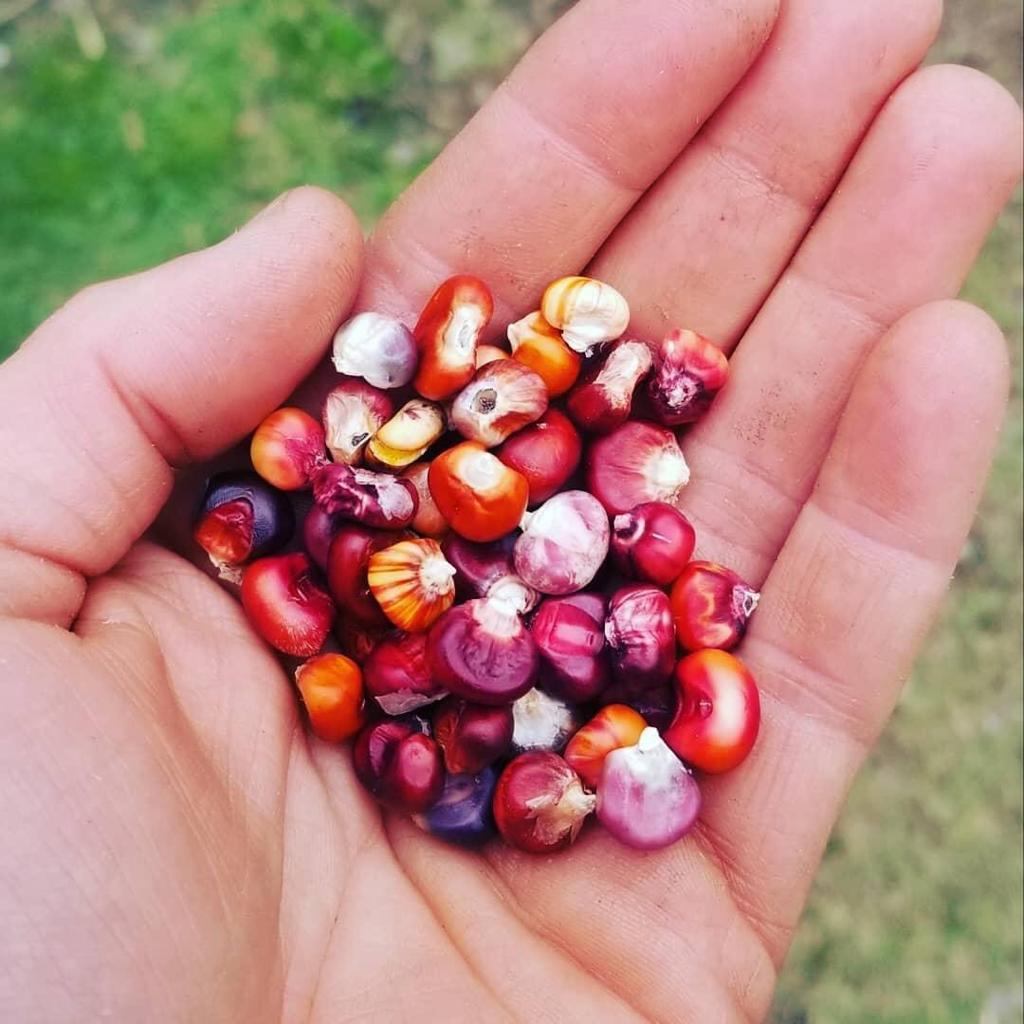
    “Food sovereignty for our community is really looking at our own traditional knowledge and the wisdom that our ancestors had developed and left for us and is still carried by our elders,” said Robert. “Really going back and seeing what this knowledge and wisdom say to us about how to revive and rebuild our food system.”

    The organization also works to build cultural awareness, including language preservation efforts and education around traditional seeds. 

    “There has to be a cultural shift from how we see things to how we interact with our environment,” Robert continued. “The land is sacred, the elements are sacred, and we have to understand it in that way.”

    Sheldon Natoni, a youth member of the Black Mesa Water Coalition, added: “It kind of gives me comfort that I’m going through the right path and I’m not being part of the extractive economy. It’s a healing property for me to become more grounded in who I am as a Dene.” 

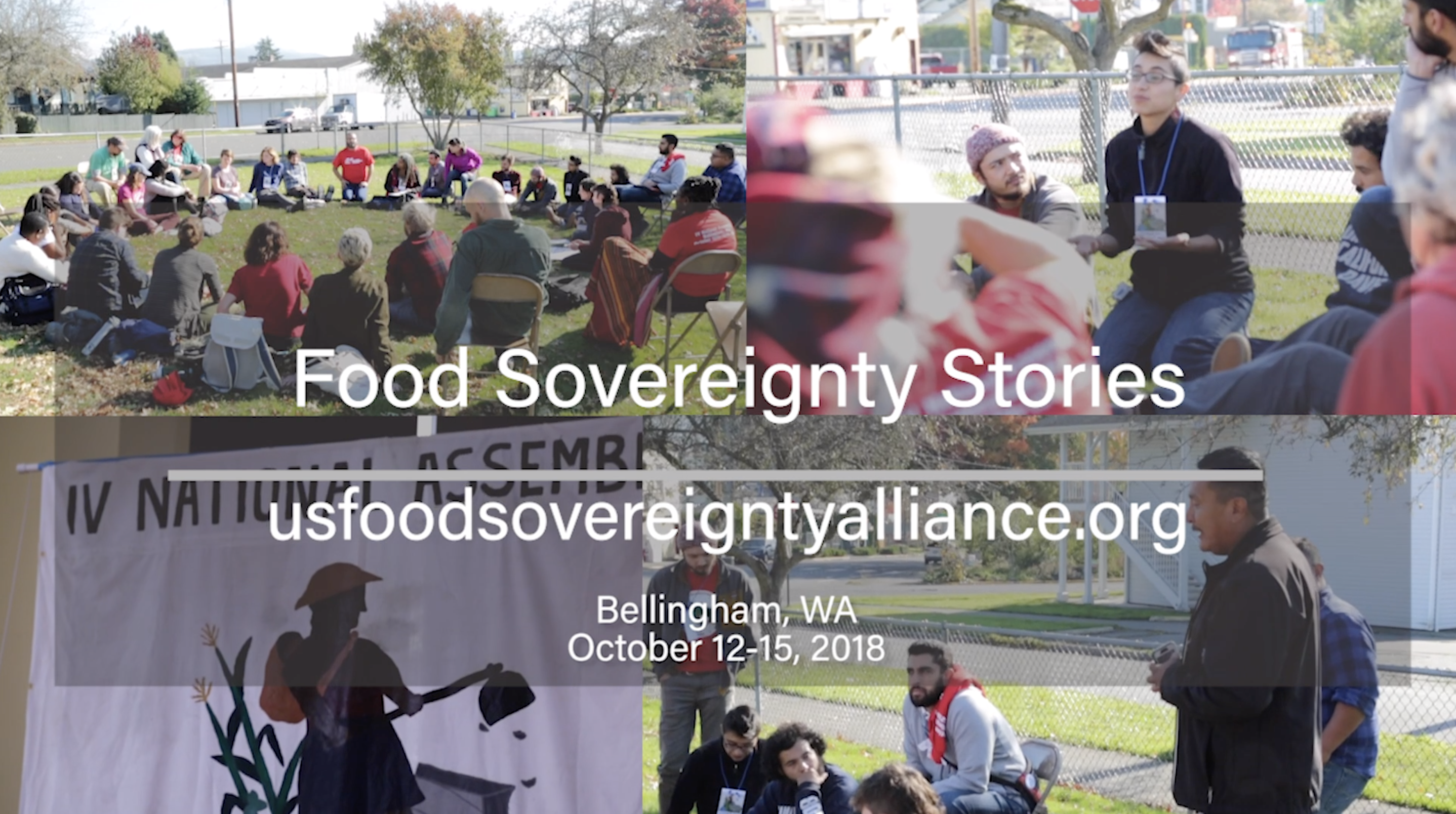
    Black Mesa Water Coalition received the US Food Sovereignty Alliance’s 2018 Food Sovereignty Prize in the domestic category, recognizing its work in reclaiming Indigenous food sovereignty. Food Sovereignty Stories is a video series exploring what food sovereignty can look like for diverse social movements across the United States. Share this video and follow USFSA for updates! 

  • Food sovereignty in Western Alaska: A Sacred Relationship with Animals, Water, and the Land

    Food sovereignty in Western Alaska: A Sacred Relationship with Animals, Water, and the Land

    Food Sovereignty Stories is a series of videos from social movements in the United States working towards a more just, sovereign, and sustainable food system.

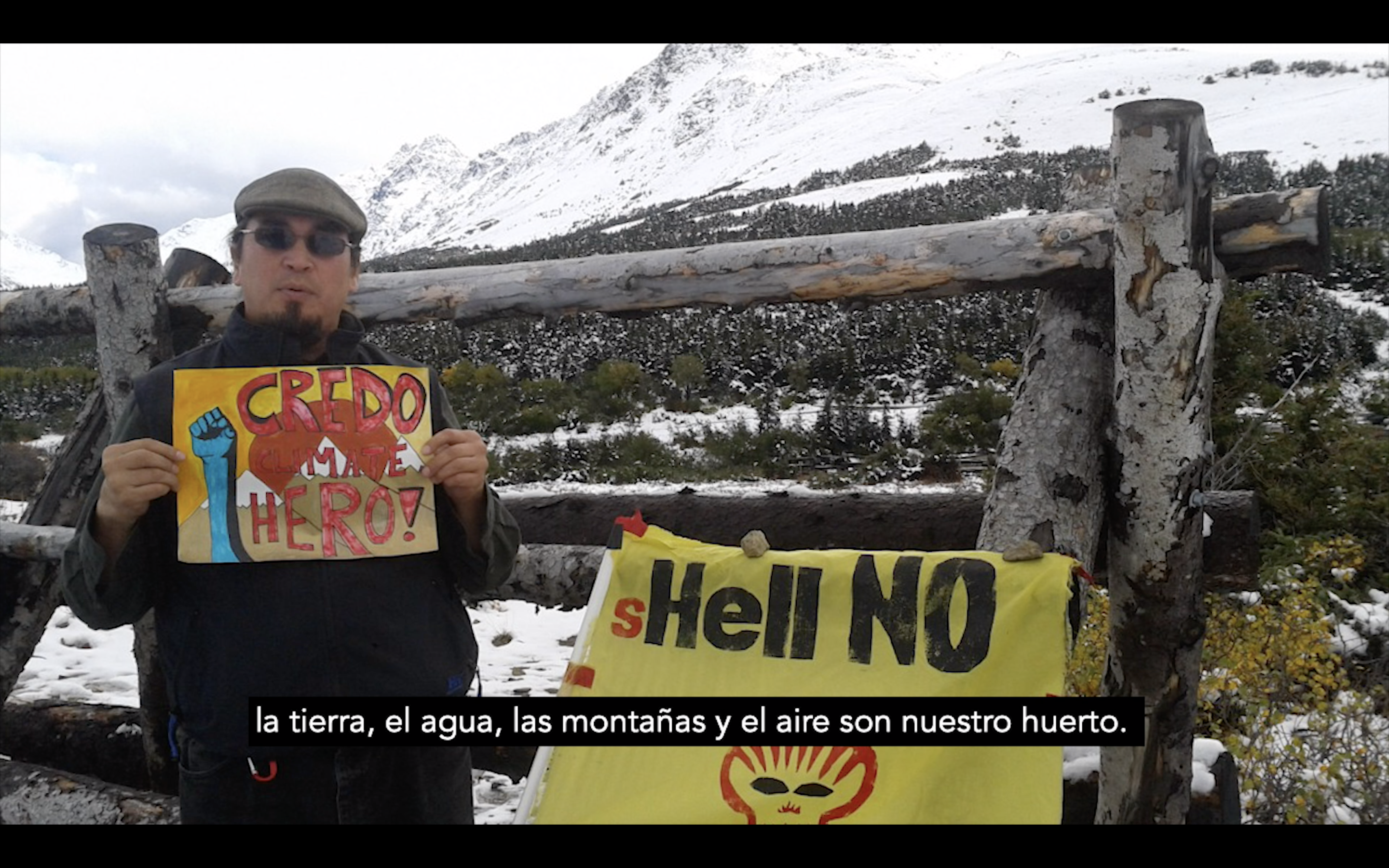
    For Carl Wassilie, from the Yup’ik Nation in Western Alaska and part of Alaska’s Big Village Network, the arctic ecosystem and traditional seasonal food sources of the Yup’ik people are the foundation of food sovereignty, which he describes as a caring relationship with land, water, and animals.

    “In the context of the Western system, the ocean and rivers are our garden in Western Alaska, and the tundra is our garden. That’s where we harvest and gather food,” said Carl, whose Yup’ik name is Angut’aq. “And that is the sovereignty that we share with the animals that continue to return.”

    Western Alaska is brimming with migratory species including marine mammals, fish, birds, insects, and caribou, which are all part of this shared sovereignty that Carl described.

    “We are salmon people,” Carl explained. “When I think about food sovereignty, my first thought is salmon.”

    “In the wintertime we don’t have fresh salmon, but we can get fresh food under the sea ice and river ice, as well as the caribou,” he added.

    Alaska’s Big Village Network works to create “communities of inclusion” by working with youth and elders from Indigenous and non-Indigenous communities, building respect for multiple worldviews, and honoring human and non-human life. The organization has raised awareness around environmental racism and taken a stand against Arctic oil drilling, mining, toxic dumping, militarism (especially with respect to the impacts of Navy training exercises on marine ecosystems), and other issues affecting rural and urban Alaska communities.

    Addressing these environmental issues and the socioeconomic inequalities they exacerbate helps protect Indigenous food gathering practices that work in harmony with natural ecosystems.

    “Food sovereignty for me is that access and that cultural importance of the sacred animals, sacred water, and sacred land that provide for us and have been providing for us for thousands of years,” Carl said. “That’s the basis of my idea of food sovereignty—the land, the water, the mountains, and the air. We have to take care of them.”

    “That’s why I’m here with the United States Food Sovereignty Alliance to be part of a network that is caring for basic human dignity and the right to food so that our children have a healthy future and aren’t starving,” he concluded.

  • 2018 USFSA Bellingham Declaration

    2018 USFSA Bellingham Declaration

    The IV National Assembly of the US Food Sovereignty Alliance was held in Bellingham, Washington, and the following declaration and statement of solidarity was created. The Food Sovereignty Prize ceremony also took place during the Assembly. The press release can be found below.

    The Bellingham Declaration
    US Food Sovereignty Alliance
    October 2018

    PDF of Bellingham Declaration |  PDF de Declaración en Español

    The US Food Sovereignty Alliance (USFSA) held its IV National Assembly from October 12th thru 14th in Bellingham, Washington with the participation of 117 members, allies, and individuals from 71 organizations and 7 countries.  The theme “Defending Mother Earth for an Agroecological Life:  No Walls, No Capitalism” was enacted through art, drama, music, dance, organizing, debate, analysis, healthy locally-sourced food, and spirited “mística” ceremonies.

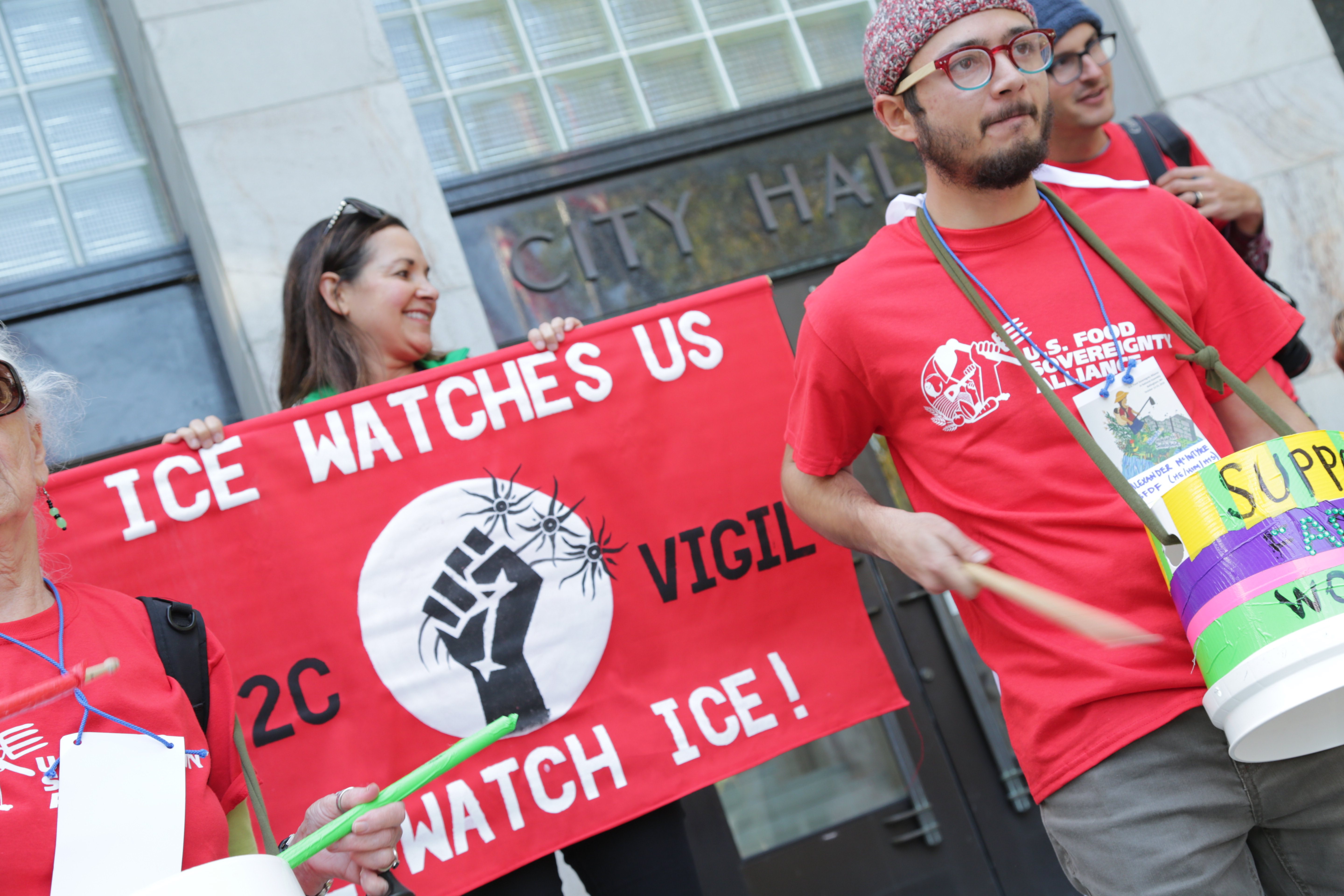
    Anchored by the farmworker-led organization Community to Community Development (C2C), the assembly overflowed with a joyous, intelligent, and diverse rainbow of origins, identities, and organizers of all ages from various sectors of the food system, including farmworkers, food chain workers, fishers, family farmers, urban agriculturalists, food providers, and social justice advocates fighting for their livelihoods, freedom, and dignity through food sovereignty, and an end to patriarchal, capitalist, and colonial ways of thinking and acting.  Building on regional assemblies in the Northeast, the South, the Midwest and the West, the IV National Assembly vibrated with an expanding and deepening energy!

    Challenged by the current political and ecological moment—characterized by the rise of right-wing, racist populism allied with neoliberal, corporate economics, coupled with massive impoverishment and oppression of peoples, and the threat of climate catastrophe—our motivation intensified.  Those assembled discussed and the Alliance’s national coordination proclaims the following solidarity positions of the USFSA:

    * In solidarity with La Via Campesina, we call on the United States and other members states to support the Declaration of Peasants Rights being pushed forward at the U.N.  The struggle for Food Sovereignty depends on the protection of the rights of peasants and small- and medium-sized family farmers.

    * We oppose the expansion of the H2A visa guest worker program, particularly when used as a means of displacing farmworkers organizing themselves into unions.  H2A workers tied to a single employer have not been able to unionize themselves, and are often subject to wage theft, extortion by labor contractors and foremen, and other abuses.  We denounce in the strongest terms efforts to expand and weaken existing safeguards and housing provisions in guest worker programs by establishing a proposed H2C visa, which would spread and intensify the defects of H2A to food processing industries.  We also support the boycott of Reynolds American Tobacco VUSE e-cigarettes until that corporation signs an agreement to guarantee the right to organize without retaliation to all farmworkers in the tobacco fields, whether H2A or undocumented.

    * We denounce the actions of Immigration and Customs Enforcement (ICE) in implementing the racist policies of mass detention and deportation, and stand in solidarity with immigrant and refugee peoples currently residing and working in the U.S.

    * We add our collective voice to the Call to Protect Food Systems from Genetic Extinction Technology and call for a global moratorium on any release of engineered gene drives, which could contaminate ecological systems, species, and food webs with genetic traits designed to create species extinction.

    We denounce proposals in the Farm Bill that would increase work requirements for SNAP eligibility, end the Double Up Bucks farmers market program, defund critical conservation programs, and reduce support for beginning and socially challenged farmer programs.

    * We reject the King amendment in the House Farm Bill, which would give agribusinesses greater control and restrict state and local governments from regulating agricultural products, and could nullify the Food Sovereignty Ordinances passed in Maine, as well as laws that curb pesticide use, regulate farmworker safety, prevent cruel livestock practices, and label GMO foods.

    * We call for an expansion of agroecological practices and the protection of our agroecological biodiversity in food, fiber, forest and aquatic systems across the planet, as one of the essential solutions to the climate catastrophes humanity faces.  We know that small farmers, family fishers and foresters all cool the planet.  Agroecology cools the planet!

    * Lastly, the USFSA stands in solidarity with our global allies, particularly members of La Via Campesina, suffering the overthrow or threat of overthrow of popular, democratic governments.  Whether in Honduras, Paraguay, Colombia, Brazil, Nicaragua, Venezuela or elsewhere, these “soft coups” are a threat to democratic processes and to food sovereignty everywhere.
    ____________

    The IV Assembly debated and affirmed the formation of the following national Collectives:  Political Education, Agroecology: Land and Water, Narrative Strategy, International Relationships, and Youth.   These collectives together with the regional bodies will carry forward the work of USFSA, coordinated by representatives from grassroots organizations from the regions, with the help of grassroots support organizers.

    With our collective strength, we shout “No!” to injustices in the food system everywhere and “Yes!” to the people rising up to radically transform unjust systems and practices, for the betterment and survival of humanity and defense of Mother Earth.   And to the inspiring sister movements across the planet working for food sovereignty, we sing out a resounding ¡VIVA!  WE STAND WITH YOU!  WE ARE PART OF YOU! 


    During the Assembly, the winners of the Food Sovereignty Prize were acknowledged for their powerful work to promote food sovereignty. Here is the release:

    Grassroots Movements Celebrated for Building Solutions to Food and Climate Crises

    Black Mesa Water Coalition, Organización Boricuá de Agricultura Ecológica de Puerto Rico Win the Food Sovereignty Prize

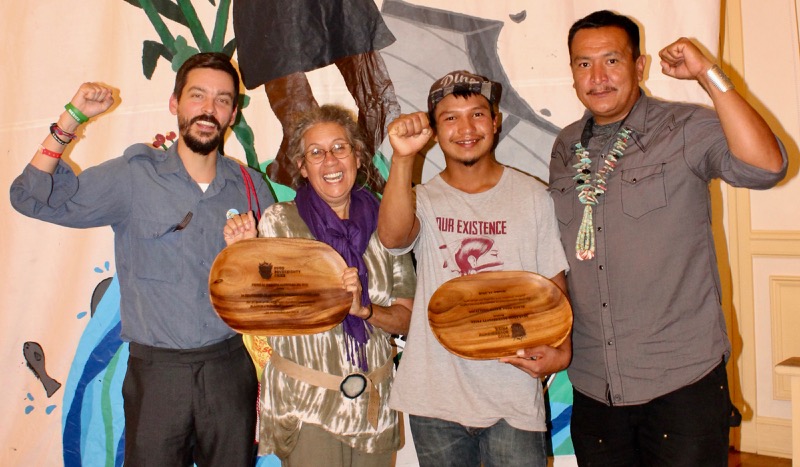
    FSP winnersJesus Vázquez and Dalma Colón from Organización Boricuá; Sheldon Natoni and Roberto Nutlouis from Black Mesa Water Coalition

    October 14, 2018 (Bellingham, Washington) – The U.S. Food Sovereignty Alliance (USFSA) honored Black Mesa Water Coalition and Organización Boricuá de Agricultura Ecológica de Puerto Rico on Sunday at the tenth annual Food Sovereignty Prize ceremony on Lummi and Nooksack land in Coast Salish Territory, in the city now called Bellingham, Washington.

    Black Mesa Water Coalition, the domestic honoree, was awarded the prize for restoring indigenous food sovereignty and uplifting youth leaders among Navajo and Hopi communities. Organización Boricuá de Agricultura Ecológica de Puerto Rico, the international honoree, was recognized particularly for mobilizing Food Sovereignty Brigades to assist farmers recover in the aftermath of Hurricane Maria.

    Presented as an alternative to the World Food Prize, the Food Sovereignty Prize honors steadfast commitment of food sovereignty. Social movements, community organizations, and activists around the world recognize the importance of the prize.

    “These grassroots organizations demonstrate how frontline communities most affected by social and ecological crises are the ones with solutions to society’s most pressing problems.” -Doria Robinson, Urban Tilth (coordinator of the Western Region of the US Food Sovereignty Alliance)

    Black Mesa Water Coalition utilizes green economic development and other diverse strategies, rooted in indigenous knowledge, to address issues of poverty, hunger, and environmental injustices driven by extractive industries and centuries of colonialism. “We need to notify humanity that we need to drastically change the way we do things, especially getting away from fossil fuels, and the food system is one way to begin that transition.” -Roberto Nutlouis, Black Mesa Water Coalition

    Organización Boricuá organizes farmers to transition to sustainable agriculture and sovereignty in Puerto Rico. “Agroecology as Puerto Ricans, coming from a colonial context, has given us a space to organize and deepen our struggles. This work is a vehicle of transformation for a sovereign, free, and just Puerto Rico.” -Jesus Vázquez, Organización Boricuá

    Media contacts:

    Liz Darrow (360) 220-9065, c2cmedia@foodjustice.org
    Ahna Kruzic, (510) 927-5379, ahna@panna.org

    www.usfoodsovereigntyalliance.org