Category: Food Sovereignty Prize

  • 17th Annual Food Sovereignty Prize Winners Announced!

    17th Annual Food Sovereignty Prize Winners Announced!

    PRESS RELEASE

    Contact:
    Christina Schiavoni
    cms@grassrootsonline.org
    617-690-4079

    17th Annual Food Sovereignty Prize Awarded by US Food Sovereignty Alliance & Climate Justice Alliance

    Organizations from New Mexico and Burkina Faso to Be Honored in Virtual Prize Ceremony

    WASHINGTON, DC, October 15, 2025 — The US Food Sovereignty Alliance (USFSA) and the Climate Justice Alliance are thrilled to award the annual Food Sovereignty Prize to two outstanding organizations: New Mexico Acequia Association in Santa Fe, NM, and Association Nourrir Sans Détruire in Burkina Faso.

    Each year, the Food Sovereignty Prize is given to two organizations—one domestic and one international—for their exemplary work to advance food sovereignty. This year’s honorees are both notable for their integration of traditional cultural practices and agricultural methods in their restoration of land, water, and community. By organizing local communities to resist poverty and displacement, they are shining beacons of hope amidst a rising tide of global authoritarianism and political violence. They are also the first organizations to receive the prize in their respective state and country.

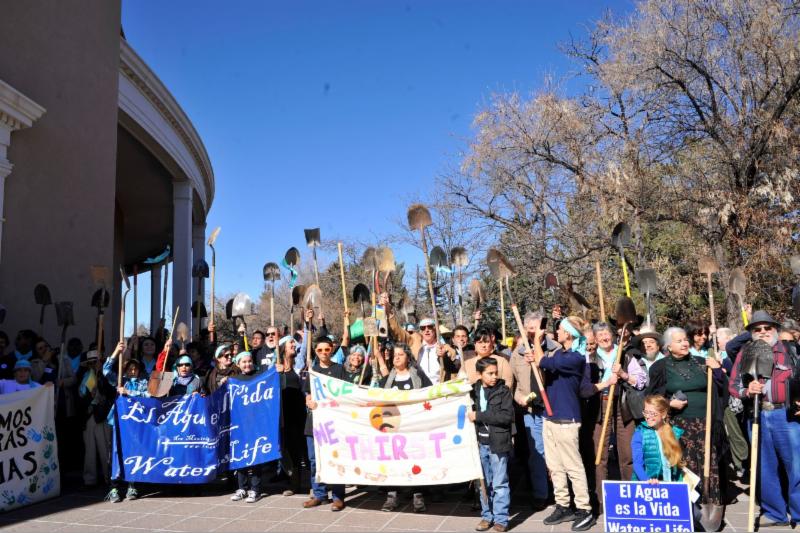
    New Mexico Acequia Association (NMAA) is a grassroots organization that has been advocating for the protection of local acequias since 1988. Acequias are the centuries-old communal irrigation systems that have sustained traditional agriculture in the high desert for many generations, long before New Mexico became a state. NMAA’s model of water and small-scale governance is an antidote to the continued pressures of industry and corporations to commodify or pollute the water of New Mexico’s communities. Their advocacy for over 30 years has been focused on protecting water as a community resource by defending water rights and farmland from development pressures, by revitalizing small-scale farming and ranching through training and youth engagement, and by working to recover and adapt to climate disruptions such as the intense wildfires and flooding that are increasingly common in the Southwest. 

    Paula Garcia, Executive Director of NMAA, will accept the award during the prize ceremony. She stated:

    “It is an honor to accept the 2025 Domestic Food Sovereignty Award on behalf of the New Mexico Acequia Association and to be included in the company of so many amazing awardees. We stand in solidarity with people around the world working to protect sacred lands and waters and to build community self-determination through food sovereignty. Land-based and Indigenous Peoples continue to be the caretakers for some of the most vibrant and biodiverse places in the world. This award uplifts the people and communities who are leading the way for a more just, equitable, and resilient future. El Agua es Vida! Que Vivan las Acequias!”(Water is Life, Long Live Acequias).

    Association Nourrir Sans Détruire (ANSD), whose name translates to ‘Nourish without Destroying Association,’ is a non-profit organization created in 2011 in the West African country of Burkina Faso. It works to combat poverty, hunger, and social injustice by promoting agroecology and other sustainable means of subsistence, both agricultural and non-agricultural. ANSD’s main objective is to strengthen the capacities of small-scale farmers and their organizations so that they can contribute to food security and improve their incomes, while protecting natural resources. ANSD carries out its activities in 126 villages spread across eight municipalities through five main program areas: agroecological transition; empowerment of women and access to resources; access of agroecological products to the local market; nutrition and community health; and creating an environment conducive to agroecological health. A recent impact study calculated that close to a quarter of the farmland in Eastern Burkina Faso is now farmed using agroecological practices, in large part thanks to ANSD’s organizing. 

    ANSD’s award will be accepted on behalf of the organization by Board Chairman, Tsuamba Bourgou, who declared:

    “This award highlights and recognizes the efforts of so many men, women, and young people who have worked tirelessly for more than ten years now to push back the boundaries of hunger, poverty, and ignorance for the good of their households and their communities. Refusing to accept their fate as inevitable, these people have stood up, fought, and continue to fight, resisting headwinds, confident in themselves to contribute to the construction of an effective and resilient food system, rooted in their specific context and promising a better tomorrow for themselves and for future generations. This award reinforces ANSD’s conviction that by trusting communities, working with them in a spirit of co-creation of knowledge, synergy in resource mobilization, and shared responsibility, tangible and sustainable results in terms of food security and sovereignty can be achieved quickly.”

    The Food Sovereignty Prize serves as a counterweight to the World Food Prize, created by Norman Borlaug, the controversial ‘father of the Green Revolution,’ whose initiatives have led to devastating environmental and social impacts worldwide. Typically, the World Food Prize rewards the expansion in production of single crops through expensive, large-scale technology. In contrast, the Food Sovereignty Prize champions grassroots, agroecological solutions from the people most harmed by the injustices of the global food system. This is the 17th year that the Food Sovereignty Prize has been awarded. Honorees from previous years are listed on USFSA’s website.

    The two honorees will be recognized at a virtual prize ceremony on Wednesday, December 3rd, at 11:00am PST (UTC -8) / 2:00pm EST (UTC -5). The ceremony is free and open to the public; register online here. Spanish and French interpretation will be available.

    ###

    The US Food Sovereignty Alliance (USFSA) is composed of food justice, anti-hunger, labor, environmental, faith-based, and food producer groups that work to connect our local and national struggles to the international movement for food sovereignty. The Alliance strives to end poverty, rebuild local food economies and assert democratic control over the food system, believing that all people have the right to healthy, culturally appropriate food produced in an ecologically sound manner.

    Climate Justice Alliance (CJA) is a growing member alliance of close to 100 urban and rural frontline communities, organizations and supporting networks in the climate justice movement. Member organizations lead CJA by anchoring major Just Transition projects focused on the social, racial, economic and environmental justice issues of climate change.


    COMMUNIQUÉ DE PRESSE

    Contact:
    Christina Schiavoni
    cms@grassrootsonline.org
    617-690-4079

    17e Prix annuel de la souveraineté alimentaire décerné par l’Alliance américaine pour la souveraineté alimentaire et l’Alliance pour la justice climatique

    Des organisations du Nouveau-Mexique et du Burkina Faso seront honorées lors d’une cérémonie de remise des prix virtuelle

    WASHINGTON, DC, 15 octobre 2025 — L’Alliance américaine pour la souveraineté alimentaire (USFSA) et l’Alliance pour la justice climatique sont ravies de décerner le Prix annuel de la souveraineté alimentaire à deux organisations exceptionnelles : L’Association Acequia du Nouveau-Mexique (NMAA en anglais-New Mexico Acequia Association) à Santa Fe, au Nouveau-Mexique, et l’Association Nourrir Sans Détruire au Burkina Faso.

    Chaque année, le prix de la souveraineté alimentaire est décerné à deux organisations, l’une nationale et l’autre internationale, pour leur travail exemplaire en faveur de la souveraineté alimentaire. Les lauréats de cette année se distinguent tous deux par leur intégration des pratiques culturelles traditionnelles et des méthodes agricoles dans la restauration des terres, de l’eau et des communautés. En organisant les communautés locales pour lutter contre la pauvreté et les déplacements de population, elles sont des lueurs d’espoir dans un contexte mondial marqué par la montée de l’autoritarisme et de la violence politique. Elles sont également les premières organisations à recevoir ce prix dans leur État et leur pays respectifs.

    L’Association Acequia du Nouveau-Mexique (NMAA) est une organisation locale qui milite depuis 1988 pour la protection des acequias locales. Les acequias sont des systèmes d’irrigation communautaires séculaires qui ont permis de maintenir l’agriculture traditionnelle dans le haut désert pendant de nombreuses générations, bien avant que le Nouveau-Mexique ne devienne un État. Le modèle de gouvernance de l’eau et à petite échelle de la NMAA est un antidote aux pressions continues de l’industrie et des entreprises pour commercialiser ou polluer l’eau des communautés du Nouveau-Mexique. Depuis plus de 30 ans, leur action vise à protéger l’eau en tant que ressource communautaire en défendant les droits sur l’eau et les terres agricoles contre les pressions du développement, en revitalisant l’agriculture et l’élevage à petite échelle grâce à la formation et à l’engagement des jeunes, et en œuvrant à la restauration et à l’adaptation aux perturbations climatiques telles que les incendies de forêt et les inondations intenses qui sont de plus en plus fréquents dans le sud-ouest.

    Paula Garcia, directrice exécutive de la NMAA, recevra le prix lors de la cérémonie de remise des prix. Elle a déclaré : 

    « C’est un honneur d’accepter le prix 2025 de la souveraineté alimentaire nationale au nom de L’Association Acequia du Nouveau-Mexique et de figurer parmi tant d’autres lauréats exceptionnels. Nous sommes solidaires des personnes qui, partout dans le monde, œuvrent pour protéger les terres et les eaux sacrées et pour renforcer l’autodétermination des communautés grâce à la souveraineté alimentaire. Les peuples autochtones et ceux qui vivent en harmonie avec la terre continuent d’être les gardiens de certains des endroits les plus dynamiques et les plus riches en biodiversité du monde. Ce prix rend hommage aux personnes et aux communautés qui ouvrent la voie vers un avenir plus juste, plus équitable et plus résilient. El Agua es Vida ! Que Vivan las Acequias ! » (L’eau, c’est la vie ! Vive les acequias !).

    L’Association Nourrir Sans Détruire (ANSD) est une organisation à but non lucratif créée en 2011 au Burkina Faso, en Afrique de l’Ouest. Elle lutte contre la pauvreté, la faim et les injustices sociales en promouvant l’agroécologie et d’autres moyens de subsistance durables, tant agricoles que non agricoles. L’objectif principal de l’ANSD est de renforcer les capacités des petits agriculteurs et de leurs organisations afin qu’ils puissent contribuer à la sécurité alimentaire et améliorer leurs revenus, tout en protégeant les ressources naturelles. L’ANSD mène ses activités dans 126 villages répartis dans huit municipalités à travers cinq grands domaines d’action : la transition agroécologique ; l’autonomisation des femmes et l’accès aux ressources ; l’accès des produits agroécologiques au marché local ; la nutrition et la santé communautaire ; et la création d’un environnement propice à la santé agroécologique. Une récente étude d’impact a calculé que près d’un quart des terres agricoles de l’est du Burkina Faso sont désormais cultivées selon des pratiques agroécologiques, en grande partie grâce à l’organisation de l’ANSD.

    Le prix de l’ANSD sera remis au nom de l’organisation par le président du conseil d’administration, Tsuamba Bourgou, qui a déclaré :

    « Ce prix met en lumière et récompense les efforts déployés par tant d’hommes, de femmes et de jeunes qui travaillent sans relâche depuis plus de dix ans pour repousser les limites de la faim, de la pauvreté et de l’ignorance, pour le bien de leurs familles et de leurs communautés. Refusant d’accepter leur sort comme une fatalité, ces personnes se sont levées, ont lutté et continuent de lutter, résistant aux vents contraires, confiantes en leur capacité à contribuer à la construction d’un système alimentaire efficace et résilient, ancré dans leur contexte spécifique et promettant un avenir meilleur pour elles-mêmes et pour les générations futures. Ce prix renforce la conviction de l’ANSD qu’en faisant confiance aux communautés, en travaillant avec elles dans un esprit de co-création de connaissances, de synergie dans la mobilisation des ressources et de responsabilité partagée, des résultats tangibles et durables en termes de sécurité et de souveraineté alimentaires peuvent être obtenus rapidement. »

    Le Prix de la souveraineté alimentaire sert de contrepoids au Prix mondial de l’alimentation, créé par Norman Borlaug, le controversé « père de la révolution verte », dont les initiatives ont eu des conséquences environnementales et sociales dévastatrices dans le monde entier. En général, le Prix mondial de l’alimentation récompense l’expansion de la production de monocultures grâce à des technologies coûteuses et à grande échelle. En revanche, le Prix de la souveraineté alimentaire défend les solutions agroécologiques locales proposées par les personnes les plus touchées par les injustices du système alimentaire mondial. C’est la 17e année que le Prix de la souveraineté alimentaire est décerné. Les lauréats des années précédentes sont répertoriés sur le site web de l’USFSA.

    Les deux lauréats seront récompensés lors d’une cérémonie virtuelle qui se tiendra le mercredi 3 décembre à 11 h PST (UTC -8) / 14 h EST (UTC -5). La cérémonie est gratuite et ouverte au public ; inscrivez-vous en ligne ici. Une interprétation en espagnol et en français sera disponible.

    ###

    L’Alliance américaine pour la souveraineté alimentaire (USFSA) est composée de groupes œuvrant dans les domaines de la justice alimentaire, de la lutte contre la faim, du travail, de l’environnement, de la religion et de la production alimentaire, qui s’efforcent de relier nos luttes locales et nationales au mouvement international pour la souveraineté alimentaire. L’Alliance s’efforce de mettre fin à la pauvreté, de reconstruire les économies alimentaires locales et d’affirmer le contrôle démocratique sur le système alimentaire, convaincue que tous les peuples ont droit à une alimentation saine, culturellement appropriée et produite de manière écologique.

    L’Alliance pour la justice climatique (CJA) est une alliance en pleine expansion qui regroupe près de 100 communautés urbaines et rurales de première ligne, organisations et réseaux de soutien engagés dans le mouvement pour la justice climatique. Les organisations membres dirigent la CJA en menant d’importants projets de transition juste axés sur les questions de justice sociale, raciale, économique et environnementale liées au changement climatique.


    Comunicado de Prensa

    Contact:
    Christina Schiavoni
    cms@grassrootsonline.org
    617-690-4079

    17° Premio Anual de Soberanía Alimentaria Otorgado por la Alianza Estadounidense por la Soberanía Alimentaria y la Alianza por la Justicia Climática

    Organizaciones de Nuevo México y Burkina Faso serán reconocidas en una Ceremonia Virtual de Premiación

     WASHINGTON, DC, 15 de octubre de 2025La Alianza Estadounidense por la Soberanía Alimentaria (USFSA, por sus siglas en inglés) y la Alianza por la Justicia Climática se complacen en otorgar el Premio Anual de Soberanía Alimentaria a dos organizaciones destacadas: Asociación Acequia de Nuevo México, con sede en Santa Fe, NM, y Asociación Nourrir Sans Détruire, de Burkina Faso.

    Cada año, el Premio de Soberanía Alimentaria se entrega a dos organizaciones —una nacional y otra internacional—por su labor ejemplar en impulsar la soberanía alimentaria. Las organizaciones galardonadas de este año se destacan por su integración de prácticas culturales tradicionales y métodos agrícolas para la restauración de la tierra, del agua y de las comunidades. Al incidir en las comunidades locales para resistir la pobreza y el desplazamiento, estas organizaciones representan faros de esperanza en medio del ascenso del autoritarismo y la violencia política a nivel mundial. También son las primeras organizaciones en recibir este premio en su respectivo Estado y país.

    La Asociación Acequia de Nuevo México (NMAA por sus siglas en inglés) es una organización de base comunitaria que ha abogado por la protección de las acequias locales desde 1988. Las acequias son sistemas comunales de riego con siglos de antigüedad que han sustentado la agricultura tradicional en el alto desierto durante muchas generaciones, mucho antes de que Nuevo México se convirtiera en Estado. El modelo de gobernanza hídrica y de pequeña escala de la NMAA representa un antídoto frente a las presiones constantes de las industrias y corporaciones que buscan mercantilizar o contaminar el agua de las comunidades de Nuevo México.

    Durante más de 30 años, su incidencia se ha centrado en proteger el agua como un recurso comunitario mediante la defensa de los derechos sobre el agua y las tierras agrícolas frente a las presiones del desarrollo; revitalizando la agricultura y ganadería a pequeña escala a través de la capacitación y el involucramiento de jóvenes; y trabajando por la recuperación y adaptación ante perturbaciones climáticas como los incendios forestales e inundaciones cada vez más frecuentes en el suroeste de Estados Unidos.

    Paula Garcia, directora ejecutiva de la NMAA, recibirá el premio durante la ceremonia de reconocimiento. Ella compartió unas palabras:

    “Es un honor aceptar el Premio Nacional de Soberanía Alimentaria en nombre de la Asociación Acequia de Nuevo México y compartir este reconocimiento con tantos galardonados y galardonadas excepcionales. Nos solidarizamos con las personas que trabajan en todo el mundo por proteger tierras y aguas sagradas, y por fortalecer la autodeterminación comunitaria a través de la soberanía alimentaria. Los pueblos indígenas y las comunidades en territorio siguen siendo guardianes de algunos de los lugares más vibrantes y biodiversos del planeta. Este premio honra a las personas y comunidades que están abriendo el camino hacia un futuro más justo, equitativo y resiliente. ¡El Agua es Vida! ¡Que vivan las Acequias!”

    La Asociación Nourrir Sans Détruire (ANSD por sus siglas en francés), cuyo nombre se traduce como “Asociación Alimentar Sin Destruir”— es una organización sin fines de lucro fundada en 2011 en Burkina Faso, África Occidental. Trabaja para combatir la pobreza, el hambre y la injusticia social mediante la promoción de la agroecología y otros medios sostenibles de subsistencia, tanto agrícolas como no agrícolas.

    El objetivo principal de ANSD es fortalecer las capacidades de los pequeños agricultores y sus organizaciones para que puedan contribuir a la seguridad alimentaria y mejorar sus ingresos, y simultáneamente proteger los recursos naturales. ANSD desarrolla sus actividades en 126 aldeas distribuidas en ocho municipios, a través de cinco áreas programáticas principales: transición agroecológica; empoderamiento de las mujeres y acceso a los recursos; acceso de los productos agroecológicos a mercados locales; nutrición y salud comunitaria; y creación de un entorno favorable para la salud agroecológica.

    Un estudio de impacto reciente calculó que cerca de una cuarta parte de las tierras agrícolas del este de Burkina Faso se cultivan actualmente con prácticas agroecológicas, en gran parte gracias al trabajo organizativo de ANSD.

    El premio de ANSD será recibido en nombre de la organización por su presidente del consejo directivo, Tsuamba Bourgou, quien afirmó:

    “Este premio resalta y reconoce los esfuerzos de tantos hombres, mujeres y jóvenes que han trabajado incansablemente durante más de diez años para superar los límites del hambre, la pobreza y la ignorancia, por el bienestar de sus hogares y comunidades. Negándose a aceptar que su destino es inevitable, estas personas se han levantado, han luchado y siguen luchando, resistiendo con confianza en sí mismas para contribuir a la construcción de un sistema alimentario eficaz y resiliente, arraigado en su propio contexto y prometiendo un futuro mejor para sí mismas y para las generaciones futuras. Este premio refuerza la convicción de ANSD de que, al confiar en las comunidades, trabajar con ellas desde el espíritu de co-creación del conocimiento, sinergia en la movilización de recursos y responsabilidad compartida, es posible lograr resultados tangibles y sostenibles en materia de seguridad y soberanía alimentaria en poco tiempo.”

    El Premio de Soberanía Alimentaria actúa como contrapeso al Premio Mundial de la Alimentación, creado por Norman Borlaug, el controvertido “padre de la Revolución Verde”, cuyas iniciativas han tenido impactos ambientales y sociales devastadores en todo el mundo. Generalmente, el Premio Mundial de la Alimentación recompensa la expansión de la producción de monocultivos mediante el uso de tecnologías costosas y a gran escala. En contraste, el Premio a la Soberanía Alimentaria celebra soluciones agroecológicas de base, impulsadas por las personas más afectadas por las injusticias del sistema alimentario global.

    Este es el 17º año en que se otorga el Premio a la Soberanía Alimentaria. La lista de los galardonados de años anteriores se encuentra en el sitio web de la USFSA.

    Las dos organizaciones serán reconocidas en una ceremonia virtual de premiación el miércoles 3 de diciembre, a las 11:00 a. m. PST (UTC -8) / 2:00 p. m. EST (UTC -5). La ceremonia es gratuita y abierta al público; se puede realizar el registro en línea aquí. Interpretación simultánea en español y francés estarán disponibles. 

    ###

    La Alianza Estadounidense por la Soberanía Alimentaria (USFSA) está conformada por organizaciones de justicia alimentaria, que luchan contra el hambre, por los derechos laborales, por el medio ambiente, organizaciones de fe y grupos y redes de productores y productoras de alimentos que trabajan para vincular las luchas locales y nacionales con el movimiento internacional por la soberanía alimentaria. La Alianza trabaja para poner el fin a la pobreza, reconstruir las economías alimentarias locales y reafirmar el control democrático sobre el sistema alimentario, bajo la convicción de que todas las personas tienen derecho a una alimentación saludable, culturalmente apropiada y producida de manera ecológica. 

    Alianza por la Justicia Climática (CJA) es una alianza en crecimiento que cuenta con cerca de 100 comunidades urbanas y rurales de primera línea, organizaciones y redes de apoyo en el movimiento por la justicia climática. Las organizaciones miembros lideran la CJA impulsando importantes proyectos de Transición Justa centrados en las cuestiones de justicia social, racial, económica y medioambiental relacionadas con el cambio climático.

  • 16th Annual Food Sovereignty Prize Awarded

    16th Annual Food Sovereignty Prize Awarded

    Contact:
    Christina Schiavoni
    cms@grassrootsonline.org
    617-690-4079

    16th Annual Food Sovereignty Prize Awarded By US Food Sovereignty Alliance

    Little Village Environmental Justice Organization and La Via Campesina – Arab Region and North Africa are Recognized

    Español abajo

    WASHINGTON, DC, December 4, 2024 — The US Food Sovereignty Alliance is thrilled to award the annual Food Sovereignty Prize to two outstanding organizations, Little Village Environmental Justice Organization (LVEJO), in Chicago, and La Via Campesina’s Arab region and North Africa (ArNA)

    The Food Sovereignty Prize serves as a counterweight to the World Food Prize initiated by Norman Borlaug, the controversial ‘father of the Green Revolution,’ due to its devastating environmental and social impacts. Typically, the World Food Prize rewards the expansion in production of single crops through expensive, large-scale technology. In contrast, the Food Sovereignty Prize champions grassroots, agroecological solutions from the people most harmed by the injustices of the global food system. This is the 16th year that the Food Sovereignty Prize has been awarded.

    Celebrating their 30th anniversary this year, LVEJO was formed in 1994 to address the root causes of environmental and social injustice in the Little Village neighborhood of Chicago. One of the densest communities in Chicago, the population of Little Village is primarily Latinx and Black and has a disproportionately high rate of families living below the poverty line. LVEJO has supported many successful, community-led campaigns to support the health and safety of Little Village residents. Through four programs – Farm Food Familias Mutual Aid Program, Backyard Gardens Little Village, Semillas de Justicia Community Garden, and La Villita Farm – LVEJO works for food justice practices that eliminate the root causes of hunger, poverty, and other conditions leading to food insecurity. 

    Little Village Environmental Justice Organization said: “Our food justice work focuses on addressing the harms of the past, practicing food creativity and accessibility in the present, and radical imaginings for a sovereign future. From liberating formerly contaminated sites and transforming them into agroecological spaces, to delivering free meals to community, setting up food gardens in residents’ homes, and hosting cooking classes, our work relies on the cultural strength, and Indigenous farming practices of the predominantly Mexican and immigrant community in Chicago.” 

    The Arab region and North Africa (ArNA) is the tenth and newest regional member of the global peasant movement La Via Campesina. LVC ArNA includes eight farmers’ organizations in Sudan, Mauritania, Egypt, Palestine, Morocco, and Tunisia. Their mission includes improving the conditions of small-scale farmers and agricultural workers in the region by unifying efforts to advance food sovereignty, human rights, and justice through traditional food systems and farming methods. 

    La Via Campesina ArNA said: “The atrocities and acts of genocide unfolding in Arab and North African countries cannot be separated from the objectives of the colonial project in the region, which seeks to control its natural resources and deprive its people of sovereignty, especially food sovereignty, to keep them dependent, submissive, and subjugated. Our region is working for freedom, dignity, and sovereignty, and to end the oppression of the Palestinian people, who continue to face the most brutal forms of colonialism, settlement, and persecution.”

    This award is especially poignant this year amid intense global strife. The ongoing assaults in Palestine, Sudan, Lebanon, and elsewhere reveal how withholding access to food and farmland is wielded as a weapon of war and oppression. The social movements within these regions have demonstrated remarkable courage and resilience. For those facing violent attacks, food sovereignty transcends mere survival and represents a vital means of self-determination and justice, centering life and reminding us of our collective humanity. 

    LVEJO and La Via Campesina ArNA will be recognized at a virtual prize ceremony on Thursday December 12th, at 8:30AM PST/ 11:30 AM EST. The ceremony is free and open to the public – register online here. Spanish and Arabic interpretation will be available, and the ceremony will be recorded for those unable to attend live.

    ###

    The US Food Sovereignty Alliance (USFSA) is composed of food justice, anti-hunger, labor, environmental, faith-based and food producer groups that work to connect our local and national struggles to the international movement for food sovereignty. The Alliance strives to end poverty, rebuild local food economies and assert democratic control over the food system, believing that all people have the right to healthy, culturally appropriate food produced in an ecologically sound manner.

    ———

    Contacto:
    Christina Schiavoni
    cms@grassrootsonline.org
    617-690-4079

    La Alianza por la Soberanía Alimentaria de EE.UU. concede el 16º Premio Anual a la Soberanía Alimentaria

    Little Village Environmental Justice Organization y La Vía Campesina – Región Árabe y Norte de África son reconocidas

    WASHINGTON, DC, 4 de diciembre de 2024 – La Alianza por la Soberanía Alimentaria de EE.UU. se complace en otorgar el Premio Anual a la Soberanía Alimentaria a dos organizaciones destacadas,  Little Village Environmental Justice Organization (LVEJO), en Chicago, y la Región Árabe y Norte de África (ArNA) de La Vía Campesina. 

    El Premio a la Soberanía Alimentaria sirve de contrapeso al Premio Mundial de la Alimentación iniciado por Norman Borlaug, el controvertido «padre de la Revolución Verde», debido a sus devastadoras repercusiones medioambientales y sociales. Normalmente, el Premio Mundial de la Alimentación recompensa el aumento de la producción de un solo cultivo mediante tecnología cara y a gran escala. En cambio, el Premio a la Soberanía Alimentaria defiende las soluciones agroecológicas de base de las personas más perjudicadas por las injusticias del sistema alimentario mundial. Este es el 16º año que se concede el Premio Soberanía Alimentaria.

    LVEJO, que este año celebra su 30 aniversario, se creó en 1994 para abordar las causas profundas de la injusticia medioambiental y social en el barrio de Little Village de Chicago. Una de las comunidades más densas de Chicago, la población de Little Village es principalmente latina y negra y tiene una tasa desproporcionadamente alta de familias que viven por debajo del umbral de la pobreza. LVEJO ha apoyado muchas campañas exitosas dirigidas por la comunidad para apoyar la salud y la seguridad de los residentes de Little Village. A través de cuatro programas – Farm Food Familias Mutual Aid Program, Backyard Gardens Little Village, Semillas de Justicia Community Garden, y La Villita Farm – LVEJO trabaja para las prácticas de justicia alimentaria que eliminan las causas fundamentales del hambre, la pobreza y otras condiciones que conducen a la inseguridad alimentaria. 

    Little Village Environmental Justice Organization dijo: «Nuestro trabajo de justicia alimentaria se centra en abordar los daños del pasado, practicar la creatividad alimentaria y la accesibilidad en el presente, e imaginar radicalmente un futuro soberano. Desde la liberación de antiguos lugares contaminados y su transformación en espacios agroecológicos, hasta la entrega de comidas gratuitas a la comunidad, la creación de huertos alimentarios en los hogares de los residentes y la organización de clases de cocina, nuestro trabajo se basa en la fuerza cultural y las prácticas agrícolas indígenas de la comunidad predominantemente mexicana e inmigrante de Chicago.» 

    La región árabe y norte de África (ArNA) es el décimo y más reciente miembro regional del movimiento campesino mundial La Vía Campesina. LVC ArNA incluye ocho organizaciones campesinas de Sudán, Mauritania, Egipto, Palestina, Marruecos y Túnez. Su misión consiste en mejorar las condiciones de los pequeños agricultores y trabajadores agrícolas de la región aunando esfuerzos para promover la soberanía alimentaria, los derechos humanos y la justicia a través de sistemas alimentarios y métodos agrícolas tradicionales. 

    La Vía Campesina ArNA dijo: «Las atrocidades y actos de genocidio que se están desarrollando en los países árabes y del norte de África no pueden separarse de los objetivos del proyecto colonial en la región, que busca controlar sus recursos naturales y privar a sus pueblos de soberanía, especialmente de soberanía alimentaria, para mantenerlos dependientes, sumisos y subyugados. Nuestra región trabaja por la libertad, la dignidad y la soberanía, y para poner fin a la opresión del pueblo palestino, que sigue enfrentándose a las formas más brutales de colonialismo, asentamientos y persecución».

    Este premio es especialmente conmovedor este año, en medio de intensos conflictos mundiales. Los asaltos que se están produciendo en Palestina, Sudán, Líbano y otros lugares revelan cómo la privación del acceso a los alimentos y a las tierras de cultivo se esgrime como arma de guerra y opresión. Los movimientos sociales de estas regiones han demostrado un coraje y una resistencia notables. Para quienes se enfrentan a ataques violentos, la soberanía alimentaria trasciende la mera supervivencia y representa un medio vital de autodeterminación y justicia, que centra la vida y nos recuerda nuestra humanidad colectiva. 

    LVEJO y La Vía Campesina ArNA serán reconocidos en una ceremonia virtual de entrega de premios el jueves 12 de diciembre, a las 8:30 AM PST/ 11:30 AM EST. La ceremonia es gratuita y abierta al público – inscríbase en línea aquí. Habrá interpretación al español y al árabe, y la ceremonia se grabará para quienes no puedan asistir en directo.

    ###

    La Alianza por la Soberanía Alimentaria de los Estados Unidos (USFSA) está compuesta por grupos de justicia alimentaria, contra el hambre, sindicales, ecologistas, religiosos y de productores de alimentos que trabajan para conectar nuestras luchas locales y nacionales con el movimiento internacional por la soberanía alimentaria. La Alianza lucha por acabar con la pobreza, reconstruir las economías alimentarias locales y afirmar el control democrático sobre el sistema alimentario, convencida de que todas las personas tienen derecho a alimentos sanos, culturalmente apropiados y producidos de forma ecológicamente racional.

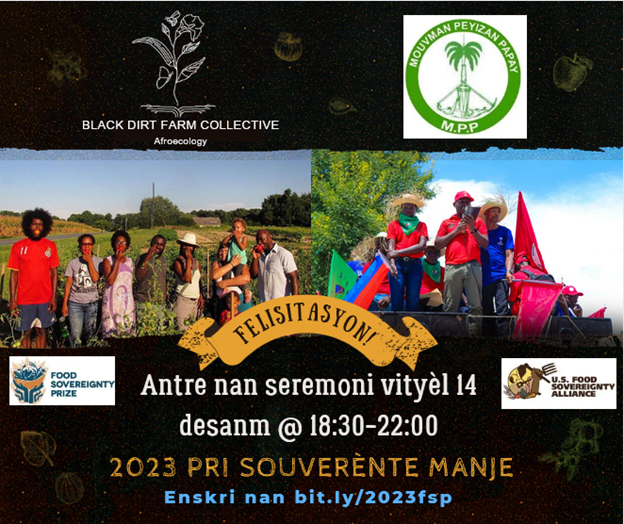
  • Join the Virtual 2023 Food Sovereignty Prize Ceremony on Dec. 14!

    Join the Virtual 2023 Food Sovereignty Prize Ceremony on Dec. 14!

    Español abajo | Kreyol ayisyen anbao

    US Food Sovereignty Alliance (USFSA)
    Announces 2023 Food Sovereignty Prize Winners & Virtual Ceremony

    Black Dirt Farm Collective &
    Mouvman Peyizan Papay-MPP of Haiti

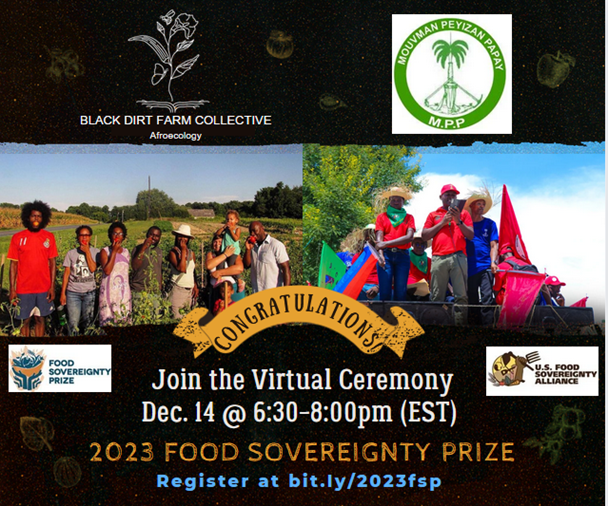
    Join the virtual 2023 Food Sovereignty Prize Ceremony on Thursday, December 14 at 3:30pm (PST), 4:30pm (MST), 5:30pm (CST), 6:30pm (EST and Haiti time)

    Register here
    for the virtual event emceed by Darnella Winston
    of the Federation of Southern Cooperatives

    Now in its 15th year, the Food Sovereignty Prize is given annually near World Food Day to a domestic and international organization advancing food sovereignty – the right of all peoples to healthy and culturally appropriate food produced through ecologically sound and sustainable methods, and their right to define their food, fishery, and farming systems. It stands in contrast to the corporate-funded World Food Prize, which perpetuates the myth that society can produce its way out of hunger and the climate crisis with biotechnology and synthetic inputs.

    The US Food Sovereignty Alliance has awarded the Food Sovereignty Prize to two outstanding organizations, the Black Dirt Farm Collective, located in Maryland, and Mouvman Peyizan Papay (MPP), based in Haiti. This award is particularly meaningful for MPP at this time, which just celebrated its 50th anniversary amid ongoing political strife, economic depression, and violence in Haiti, prompting an announcement by the UN Security Council to send armed forces into the country.

    The Black Dirt Farm Collective is a collective of farmers, educators and organizers that arose from the need to support and protect Black agrarian knowledge in the US mid-Atlantic region. The Collective fights for a just transition using “Afroecology” – the connection between Black agrarianism and agroecology – to build systemic solutions to global food and farm crises. Racial discrimination led to the systematic removal of US Black farmers from the land. Between 1910 and 1997, Black farmers lost roughly 90% of the farmland they collectively owned, and the US Department of Agriculture now reports that fewer than 1% of US farmers are Black. The Black Dirt Farm Collective is committed to reclaiming Black agrarian history, lost generational wealth, and returning to the land.

    Shakara Tyler, a returning-generation farmer, educator and organizer and Collective co-founder, summarized one of its essential tenets: “If we are not feeding ourselves our culture, who will?”

    Mouvman Peyizan Papay (MPP, or Papaye Peasant Movement) was established in 1973, aligned with the international peasant movement La Via Campesina from the 1990s onward, and has grown to represent more than 60,000 members. The movement empowers rural agricultural workers and focuses on food sovereignty to reclaim Haiti’s independence from global food imports. The Prize committee recognizes MPP’s work combating the ongoing environmental, humanitarian, and hunger crisis in Haiti, worsened by entrenched legacies of colonization, land grabbing, climate change, and foreign exploitation at the expense of local food systems. MPP works directly with local farmers to bolster local food economies through agroecology and build environmental resiliency through planting tens of millions of trees. This inspiring grassroots strategy rejects Haiti’s continued reliance on sporadic international aid in favor of local community control.

    “When we received word of this honor during our Food Sovereignty Camp, 450 young peasant leaders let out a thunderous cry of joy,” said MPP leader Jusléne Tyresias. “Through MPP’s 50-year history, Haiti’s peasants have persisted, not only confronting multiple crises head-on, but planting seeds – literally and figuratively – for our people to live with dignity, safety, and sovereignty.”

    Join us to hear their stories and to celebrate their efforts to realize food sovereignty!

    Honorees will be recognized at the virtual 2023 Food Sovereignty Prize Ceremony on Thursday, December 14 at 3:30pm (PST), 4:30pm (MST), 5:30pm (CST), 6:30pm (EST and Haiti time)

    Free registration here

    About the US Food Sovereignty Alliance

    The US Food Sovereignty Alliance (USFSA) is a US-based alliance of food justice, anti-hunger, labor, environmental, faith-based and food producer groups that upholds the right to food as a basic human right and works to connect our local and national struggles to the international movement for food sovereignty. The Alliance works to end poverty, rebuild local food economies and assert democratic control over the food system, believing that all people have the right to healthy, culturally appropriate food produced in an ecologically sound manner.
    Learn more at usfoodsovereigntyalliance.org


    La Alianza por la Soberanía Alimentaria de los Estados Unidos (USFSA) Anuncia los ganadores del Premio a la Soberanía Alimentaria 2023 y Ceremonia Virtual

    Colectivo Black Dirt Farm & Mouvman Peyizan Papay-MPP de Haití

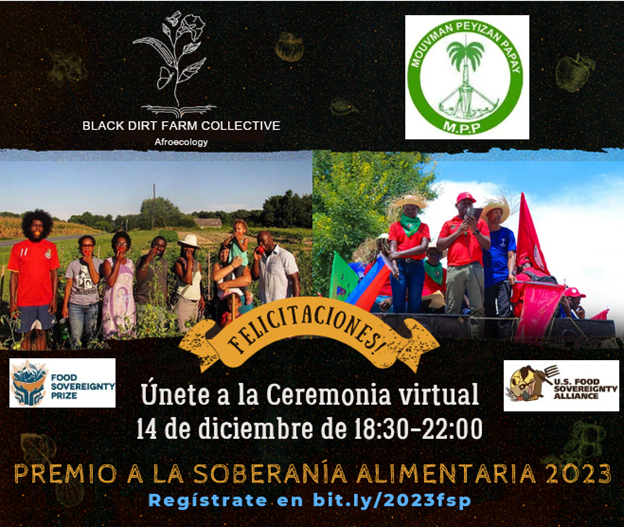
    Únete a la Ceremonia virtual del Premio Soberanía Alimentaria 2023 el jueves 14 de diciembre a las 3:30pm (PST), 4:30pm (MST), 5:30pm (CST), 6:30pm (EST y hora de Haití)

    Inscríbase aquí para asistir al acto virtual presentado por Darnella Winston, de la Federación de Cooperativas del Sur

    En su 15ª edición, el Premio a la Soberanía Alimentaria se concede anualmente cerca del Día Mundial de la Alimentación a una organización nacional e internacional que promueva la soberanía alimentaria: el derecho de todos los pueblos a alimentos sanos y culturalmente apropiados producidos mediante métodos ecológicamente racionales y sostenibles, y su derecho a definir sus sistemas alimentarios, pesqueros y agrícolas. Contrasta con el Premio Mundial de la Alimentación, financiado por las grandes empresas, que perpetúa el mito de que la sociedad puede salir del hambre y de la crisis climática mediante la biotecnología y los insumos sintéticos.

    La Alianza por la Soberanía Alimentaria de Estados Unidos ha concedido el Premio a la Soberanía Alimentaria a dos organizaciones destacadas: Black Dirt Farm Collective, de Maryland, y Mouvman Peyizan Papay (MPP), de Haití. Este premio es especialmente significativo para MPP en este momento, en el que acaba de celebrar su 50 aniversario en medio de continuos conflictos políticos, depresión económica y violencia en Haití, que han llevado al Consejo de Seguridad de la ONU a anunciar el envío de fuerzas armadas al país.

    La Granja Colectiva de Tierra Negra es un colectivo de agricultores, educadores y organizadores que surgió de la necesidad de apoyar y proteger el conocimiento agrario negro en la región del Atlántico Medio estadounidense. El Colectivo lucha por una transición justa utilizando la “Afroecología” -la conexión entre el agrarismo negro y la agroecología- para construir soluciones sistémicas a la alimentación mundial.

    El Mouvman Peyizan Papay (MPP, o Movimiento Campesino Papaye) se creó en 1973, se alineó con el movimiento campesino internacional La Vía Campesina a partir de la década de 1990 y ha crecido hasta representar a más de 60.000 miembros. El movimiento empodera a los trabajadores agrícolas rurales y se centra en la soberanía alimentaria para reclamar la independencia de Haití de las importaciones mundiales de alimentos. El comité del Premio reconoce la labor del MPP en la lucha contra la actual crisis medioambiental, humanitaria y del hambre en Haití, agravada por el arraigado legado de la colonización, el acaparamiento de tierras, el cambio climático y la explotación extranjera a expensas de los sistemas alimentarios locales. El MPP trabaja directamente con los agricultores locales para reforzar las economías alimentarias locales a través de la agroecología y crear resiliencia medioambiental mediante la plantación de decenas de millones de árboles. Esta inspiradora estrategia de base rechaza la continua dependencia de Haití de la ayuda internacional esporádica en favor de la cooperación de la comunidad local.

    “Cuando recibimos la noticia de este honor durante nuestro Campamento por la Soberanía Alimentaria, 450 jóvenes líderes campesinos lanzaron un estruendoso grito de alegría”, declaró Jusléne Tyresias, líder del MPP. “A lo largo de los 50 años de historia del MPP, los campesinos de Haití han persistido, no sólo haciendo frente a múltiples crisis de frente, sino plantando semillas -literal y figurativamente- para que nuestro pueblo viva con dignidad, seguridad y soberanía”.

    Únase a nosotros para escuchar sus historias y celebrar sus esfuerzos por alcanzar la soberanía alimentaria.

    Los galardonados recibirán su reconocimiento en la ceremonia virtual del Premio Soberanía Alimentaria 2023, que tendrá lugar el jueves 14 de diciembre a las 15:30 (PST), 16:30 (MST), 17:30 (CST) y 18:30 (EST y hora de Haití).

    Inscripción gratuita aquí

    ###

    Acerca de la Alianza por la Soberanía Alimentaria de EEUU

    La Alianza por la Soberanía Alimentaria de Estados Unidos (USFSA, por sus siglas en inglés) es una alianza estadounidense de grupos de justicia alimentaria, contra el hambre, sindicales, ecologistas, religiosos y de productores de alimentos que defiende el derecho a la alimentación como un derecho humano básico y trabaja para conectar nuestras luchas locales y nacionales con el movimiento internacional por la soberanía alimentaria. La Alianza trabaja para acabar con la pobreza, reconstruir las economías alimentarias locales y afirmar el control democrático sobre el sistema alimentario, convencida de que todas las personas tienen derecho a alimentos sanos, culturalmente apropiados y producidos de forma ecológicamente racional.

    Más información en www.usfoodsovereigntyalliance.org 


    US Food Sovereignty Alliance (USFSA) Anonse Ganyan Pri Souverènte Manje 2023 yo & Virtuel Seremoni

    Black Dirt Farm Collective & Mouvman Peyizan Papay-MPP d Ayiti

    Antre nan Seremoni Pri souverènte Manje 2023 vityèl Jedi 14 Desanm a 3:30 pm (PST), 4:30 pm (MST), 5:30 pm (CST), 6:30 pm (EST ak lè Ayiti)

    Enskri isit la pou evènman vityèl ki te òganize pa
    Darnella Winston nan Federasyon Koperativ

    Sid yo Kounye a nan 15yèm ane li, Pri Souverènte Manje a bay chak ane tou pre Jounen Mondyal Manje a yon òganizasyon domestik ak entènasyonal k ap avanse souverènte alimantè – dwa tout pèp pou manje ki an sante ak kiltirèl ki apwopriye ki pwodui atravè metòd ekolojik ki bon ak dirab, ak dwa yo genyen pou defini sistèm manje, lapèch, ak agrikilti yo. Li kanpe kontrèman ak World Food Prize ki finanse ak antrepriz la, ki perpétuer mit ke sosyete a ka pwodui fason li soti nan grangou ak kriz klimatik la ak bioteknoloji ak entrain sentetik.

    US Food Sovereignty Alliance te bay pri souverènte alimantè a bay de òganizasyon eksepsyonèl, Black Dirt Farm Collective, ki sitiye nan Maryland, ak Mouvman Peyizan Papay (MPP), ki baze ann Ayiti. Prim sa a patikilyèman enpòtan pou MPP nan moman sa a, ki fèk selebre 50yèm anivèsè li nan mitan konfli politik kontinyèl, depresyon ekonomik, ak vyolans ann Ayiti, sa ki pouse yon anons Konsèy Sekirite Nasyonzini an pou voye fòs lame nan peyi a.

    Fèm Kolektif nan Pousyè Tè Nwa se yon kolektif kiltivatè, edikatè ak òganizatè ki soti nan bezwen pou sipòte ak pwoteje konesans agrè Nwa nan rejyon Mid-Atlantik Etazini an. Kolektif la goumen pou yon tranzisyon jis lè l sèvi avèk “Afwoekoloji” – koneksyon ki genyen ant agrè Nwa ak agwoekoloji – pou bati solisyon sistemik nan manje mondyal ak kriz agrikòl. Diskriminasyon rasyal te mennen nan retire sistematik kiltivatè Nwa Ameriken yo nan peyi a. Ant 1910 ak 1997, kiltivatè Nwa yo te pèdi apeprè 90% nan tè agrikòl yo te posede ansanm, e Depatman Agrikilti Ameriken an kounye a rapòte ke mwens pase 1% nan kiltivatè ameriken yo se Nwa. Black Dirt Farm Collective pran angajman pou reprann istwa agrè Nwa yo, pèdi richès jenerasyon yo, epi retounen nan peyi a.

    Shakara Tyler, yon kiltivatè jenerasyon retounen, edikatè ak òganizatè ak ko-fondatè Kolektif, te rezime youn nan prensip esansyèl li yo: “Si nou pa nouri kilti nou an, ki moun ki pral?”

    Mouvman Peyizan Papay (MPP, oswa Mouvman Peyizan Papaye) te etabli an 1973, ann amoni ak mouvman peyizan entènasyonal La Via Campesina depi ane 1990 yo, e li te grandi pou reprezante plis pase 60,000 manm. Mouvman an otorize travayè agrikòl nan zòn riral yo epi li konsantre sou souverènte alimantè pou reprann endepandans Ayiti kont enpòtasyon manje mondyal. Komite Prize a rekonèt travay MPP ap konbat kriz anviwònman an, imanitè ak grangou k ap kontinye ann Ayiti, ki vin pi mal ak eritaj kolonizasyon anrasinen yo, afèkte tè, chanjman klimatik, ak eksplwatasyon etranje sou kont sistèm manje lokal yo. MPP travay dirèkteman ak kiltivatè lokal yo pou ranfòse ekonomi manje lokal yo grasa agwoekoloji epi pou devlope rezistans anviwònman an atravè plante plizyè dizèn milyon pye bwa. Estrateji debaz enspire sa a rejte depandans kontinyèl Ayiti sou èd entènasyonal detanzantan an favè kontwòl kominote lokal yo.

    Lidè MPP Jusléne Tyresias di: “Lè nou te resevwa pawòl onè sa a pandan Kan Souverènte Alimantè nou an, 450 jèn lidè peyizan te lanse yon gwo rèl lajwa. “Atravè 50 ane istwa MPP a, peyizan Ayiti yo te pèsiste, non sèlman fè fas ak plizyè kriz tèt-sou, men plante grenn – literalman ak senbolikman – pou pèp nou an viv ak diyite, sekirite, ak souverènte.”

    Join nou pou tande istwa yo epi selebre efò yo pou reyalize souverènte manje! Yo pral rekonèt moun ki onore yo nan seremoni pri vityèl souverènte alimantè 2023 Jedi 14 desanm a 3:30 pm (PST), 4:30 pm (MST), 5:30 pm (CST), 6:30 pm (EST ak lè Ayiti).

    Enskripsyon gratis isit la

    ###

    Konsènan US Food Sovereignty Alliance

    US Food Sovereignty Alliance (USFSA) se yon alyans ki baze Ozetazini nan gwoup jistis manje, anti-grangou, travay, anviwònman, ki baze sou lafwa ak pwodiktè manje ki defann dwa a manje kòm yon dwa imen debaz epi travay pou konekte lokal nou an. ak lit nasyonal nan mouvman entènasyonal la pou souverènte manje. Alliance lan travay pou mete fen nan povrete, rekonstwi ekonomi manje lokal yo ak revandike kontwòl demokratik sou sistèm alimantè a, kwè ke tout moun gen dwa a manje ki an sante, ki apwopriye pou kiltirèl pwodui nan yon fason ekolojik ki bon. Aprann plis sou www.usfoodsovereigntyalliance.org

  • 15th Annual Food Sovereignty Prize Honors the Black Dirt Farm Collective and Haiti’s Mouvman Peyizan Papay (MPP)

    15th Annual Food Sovereignty Prize Honors the Black Dirt Farm Collective and Haiti’s Mouvman Peyizan Papay (MPP)

    Contact:
    Christina Schiavoni
    Grassroots International
    cms@grassrootsonline.org
    617-690-4079

    WASHINGTON, DC, October 10, 2023 — In advance of the annual celebration of World Food Day by the UN Food and Agriculture Organization, the US Food Sovereignty Alliance has awarded the annual Food Sovereignty Prize to two outstanding organizations, the Black Dirt Farm Collective, located in Maryland, and Mouvman Peyizan Papay (MPP), based in Haiti. This award is particularly meaningful for MPP at this time, which just celebrated its 50th anniversary amid ongoing political strife, economic depression, and violence in Haiti, prompting an announcement by the UN Security Council to send armed forces into the country.

    Recognized internationally, the Food Sovereignty Prize serves as a counterweight to the World Food Prize initiated by Norman Borlaug, the controversial “father of the Green Revolution.” “The World Food Prize typically focuses on expanding production of single crops through expensive, large-scale technology,” said Heather Day, executive director of Community Alliance for Global Justice, a USFSA coordinating member and 2009 recipient of a Food Sovereignty Prize Honorable Mention. “In contrast, the Food Sovereignty Prize champions grassroots, agroecological solutions from the people most harmed by the injustices of the global food system. Mouvman Peyizan Papay and Black Dirt Farm Collective demonstrate community-led farming systems that work toward Black and Indigenous liberation while nourishing humanity and the Earth.”

    The Black Dirt Farm Collective is a collective of farmers, educators and organizers that arose from the need to support and protect Black agrarian knowledge in the US mid-Atlantic region. The Collective fights for a just transition using “Afroecology” – the connection between Black agrarianism and agroecology – to build systemic solutions to global food and farm crises. Racial discrimination led to the systematic removal of US Black farmers from the land. Between 1910 and 1997, Black farmers lost roughly 90% of the farmland they collectively owned, and the US Department of Agriculture now reports that fewer than 1% of US farmers are Black. The Black Dirt Farm Collective is committed to reclaiming Black agrarian history, lost generational wealth, and returning to the land. 

    Shakara Tyler, a returning-generation farmer, educator and organizer and Collective co-founder, summarized one of its essential tenets: “If we are not feeding ourselves our culture, who will?” 

    Mouvman Peyizan Papay (MPP, or Papaye Peasant Movement) was established in 1973, aligned with the international peasant movement La Via Campesina from the 1990s onward, and has grown to represent more than 60,000 members. The movement empowers rural agricultural workers and focuses on food sovereignty to reclaim Haiti’s independence from global food imports. The Prize committee recognizes MPP’s work combating the ongoing environmental, humanitarian, and hunger crisis in Haiti, worsened by entrenched legacies of colonization, land grabbing, climate change, and foreign exploitation at the expense of local food systems. MPP works directly with local farmers to bolster local food economies through agroecology and build environmental resiliency through planting tens of millions of trees. This inspiring grassroots strategy rejects Haiti’s continued reliance on sporadic international aid in favor of local community control. 

    “When we received word of this honor during our Food Sovereignty Camp, 450 young peasant leaders let out a thunderous cry of joy,” said MPP leader Jusléne Tyresias. “Through MPP’s 50-year history, Haiti’s peasants have persisted, not only confronting multiple crises head-on, but planting seeds – literally and figuratively – for our people to live with dignity, safety, and sovereignty.”

    The Black Dirt Farm Collective and Mouvman Peyizan Papay will be recognized at a virtual ceremony, date and time to be announced soon. The ceremony is free and open to the public. Further information will be made available at www.usfoodsovereigntyalliance.org and www.facebook.com/USFoodSovAlliance.

    ###
    The US Food Sovereignty Alliance (USFSA) is comprised of food justice, anti-hunger, labor, environmental, faith-based and food producer groups that work to connect our local and national struggles to the international movement for food sovereignty. The Alliance strives to end poverty, rebuild local food economies and assert democratic control over the food system, believing that all people have the right to healthy, culturally appropriate food produced in an ecologically sound manner.