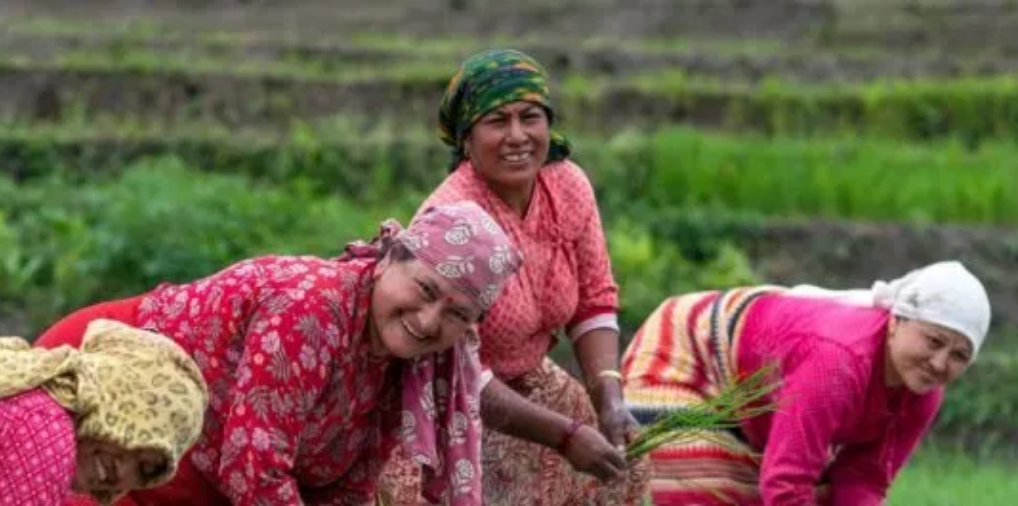
2020 Food Sovereignty Prize Ceremony ~ December 9 at 11:00am eastern
~ Español abajo ~
REGISTER for the Ceremony at https://bit.ly/FSP12th
 This year we honor the Somali Bantu Community Association of Maine and the All Nepal Peasants’ Federation with the 12th Annual Food Sovereignty Prize!
The one-hour event will take place virtually on Wednesday, December 9, beginning 8:00am PST / 11:00am EST / 7:00pm EAT / 9:45pm NPT. Closed captioning and Spanish, Somali, and Nepali interpretation will be available on the Zoom platform. The ceremony will also be livestreamed on the USFSA Facebook page.
The 2020 Prize recipients are recognized for their commitment to civil and human rights, including the right to food. The honorees exemplify the achievement of community well-being through food sovereignty, particularly during the coronavirus pandemic.
As the COVID-19 pandemic adds 83–132 million people to the world’s hungry this year, the Food Sovereignty Prize highlights grassroots efforts meeting urgent needs while advancing transformative solutions. Organized by the US Food Sovereignty Alliance (USFSA), the Food Sovereignty Prize is announced on World Food Day. The Food Sovereignty Prize is recognized as a counterweight to the World Food Prize, which critics decry for its singular focus on food production based on Green Revolution approaches.
As explained by Lisa Griffith of the National Family Farm Coalition, a USFSA member organization, “Even before the pandemic struck last winter, global hunger had risen by 60 million people over the past five years, with 750 million people experiencing severe food insecurity in 2019, while most commodity crops have reached record production levels. As COVID-19 spread around the globe, it was community efforts – not the industrialized food system – that distributed food and protected farm and food workers. The World Food Prize perpetuates the myth that an industrialized system can produce its way out of hunger when a just and sustainable food system is what is truly needed.”
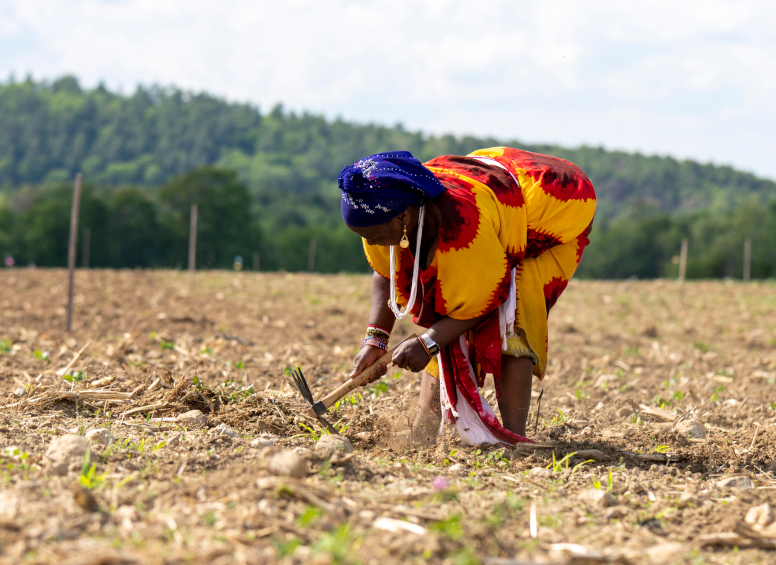
The Somali Bantu Community Association’s Liberation Farms have served as a lifeline of food and financial security to more than 200 refugee farmers whose communities are disproportionately hit by both COVID and hunger, while also serving the broader community, including provision of fresh, healthy foods to local schools.
According to Jennifer Taylor of Lola’s Organic Farm in Georgia, also of the USFSA, “While leading the way in food systems transformation in Maine, the Somali Bantu Community Association has confronted both the pervasive structural racism exposed by the Black Lives Matter movement as well as inhumane immigration policies coupled with anti-immigrant sentiment. Particularly inspiring is SBCA’s new Little Jubba Central Maine Agrarian Commons, an innovative model of collective land ownership and farming, inspired by the traditional Somali ishkashito model of cooperative sharing.”
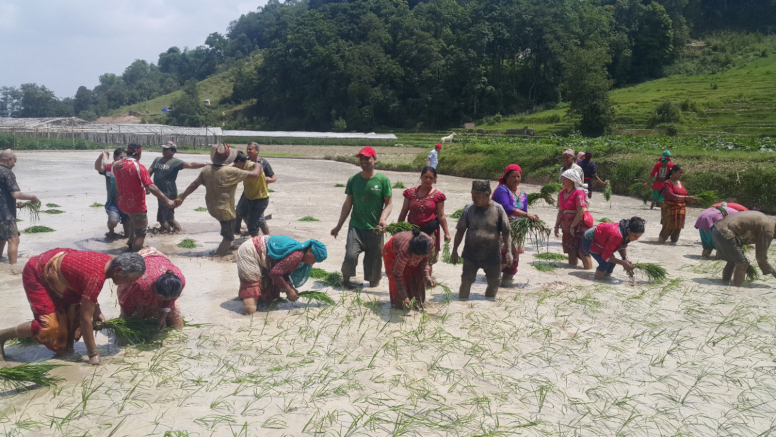
Standing at over two million members, the All Nepal Peasants’ Federation is also on the cutting edge of food systems transformation. Just as SBCA is working to dismantle racism in the food system and beyond, ANFPa is working to dismantle casteism, as well as sexism and ageism, with special branches dedicated to the empowerment of Dalits (“untouchables” in the caste system), women and youth. Recognizing the realization of human rights as essential to ending hunger, ANFPa has played an active role in Nepal’s democratization process, achieving the enshrining of food sovereignty in the country’s new constitution. Nepal is now one of several countries in the world to have adopted food sovereignty into law, and ANPFa has been leading national efforts on implementation. ANFPa has also been active in COVID relief efforts, including distribution of relief materials, coordinating with local governments on managing food supplies, and policy advocacy work. [See also this article from La Via Campesina]
The event is free and open to all. Register at https://bit.ly/FSP12th by Tuesday, December 8.
For more information, contact info@usfoodsovereigntyalliance.org
______________________________
Ceremonia del Premio a la Soberanía Alimentaria 2020 ~ 9 de diciembre a las 11:00am del este
INSCRIBASE en https://bit.ly/FSP12th
Este año honramos a la Asociación de la Comunidad Bantú Somalí de Maine y a la Federación de Campesinos de todo Nepal con el 12º Premio Anual de Soberanía Alimentaria!
Por favor, únase a la Alianza de Soberanía Alimentaria de EE.UU. para honrar a la Asociación Comunitaria Bantú de Maine y a la Federación de Campesinos de Todo Nepal con el 12º Premio Anual de Soberanía Alimentaria!
El evento de una hora tendrá lugar virtualmente el miércoles 9 de diciembre, comenzando a las 8:00am PST / 11:00am EST / 7:00pm EAT / 9:45pm NPT. Los subtítulos y la interpretación en español, somalí y nepalí estarán disponibles en la plataforma del Zoom. La ceremonia también será transmitida en vivo en la página de Facebook de la USFSA.
Los galardonados con el Premio 2020 son reconocidos por su compromiso con los derechos civiles y humanos, incluido el derecho a la alimentación. Los galardonados ejemplifican el logro del bienestar de la comunidad mediante la soberanía alimentaria, en particular durante la pandemia de coronavirus.
Dado que la pandemia COVID-19 añade este año entre 83 y 132 millones de personas a los hambrientos del mundo, el Premio a la Soberanía Alimentaria pone de relieve los esfuerzos de las comunidades de base para satisfacer las necesidades urgentes al tiempo que se promueven soluciones transformadoras. Organizado por la Alianza para la Soberanía Alimentaria de los Estados Unidos (USFSA), el Premio a la Soberanía Alimentaria se anuncia el Día Mundial de la Alimentación. El Premio a la Soberanía Alimentaria se reconoce como un contrapeso al Premio Mundial de la Alimentación, que los críticos denuncian por su singular enfoque en la producción de alimentos basada en los planteamientos de la Revolución Verde.
Como explicó Lisa Griffith, de la Coalición Nacional de Granjas Familiares, organización miembro de la USFSA, “Incluso antes de que se produjera la pandemia el invierno pasado, el hambre en el mundo había aumentado en 60 millones de personas en los últimos cinco años, y 750 millones de personas padecen una grave inseguridad alimentaria en 2019, mientras que la mayoría de los cultivos básicos han alcanzado niveles de producción sin precedentes. A medida que COVID-19 se fue extendiendo por todo el mundo, fueron los esfuerzos de la comunidad -no el sistema alimentario industrializado- los que distribuyeron los alimentos y protegieron a los trabajadores agrícolas y de la alimentación. El Premio Mundial de la Alimentación perpetúa el mito de que un sistema industrializado puede producir su salida del hambre cuando lo que realmente se necesita es un sistema alimentario justo y sostenible”.
Las granjas de liberación de la Asociación de la Comunidad Bantú Somalí han servido de salvavidas para la seguridad alimentaria y financiera de más de 200 agricultores refugiados cuyas comunidades se ven desproporcionadamente afectadas tanto por el COVID como por el hambre, y al mismo tiempo sirven a la comunidad en general, incluyendo el suministro de alimentos frescos y saludables a las escuelas locales.
Según Jennifer Taylor, de la Granja Orgánica de Lola en Georgia, también de la USFSA, “Al tiempo que lidera la transformación de los sistemas alimentarios en Maine, la Asociación de la Comunidad Bantú Somalí se ha enfrentado tanto al penetrante racismo estructural expuesto por el movimiento Black Lives Matter como a las políticas de inmigración inhumanas unidas al sentimiento antiinmigratorio”. Particularmente inspirador es el nuevo Little Jubba Central Maine Agrarian Commons de la SBCA, un innovador modelo de propiedad colectiva de la tierra y de agricultura, inspirado en el tradicional modelo somalí ishkashito de compartir cooperativamente”.
Con más de dos millones de miembros, la Federación de Campesinos de Todo Nepal también está a la vanguardia de la transformación de los sistemas alimentarios. Al igual que la SBCA está trabajando para desmantelar el racismo en el sistema alimentario y más allá, la ANFPa está trabajando para desmantelar el sistema de castas, así como el sexismo y la discriminación por motivos de edad, con ramas especiales dedicadas al empoderamiento de los dalits (“intocables” en el sistema de castas), las mujeres y los jóvenes. Reconociendo que la realización de los derechos humanos es esencial para poner fin al hambre, la ANFPA ha desempeñado un papel activo en el proceso de democratización de Nepal, logrando la consagración de la soberanía alimentaria en la nueva constitución del país. Nepal es ahora uno de los varios países del mundo que han adoptado la soberanía alimentaria en su legislación, y la ANFPA ha estado dirigiendo los esfuerzos nacionales en materia de aplicación. El ANFPa también ha participado activamente en las actividades de socorro de COVID, incluida la distribución de materiales de socorro, la coordinación con los gobiernos locales en la gestión de los suministros de alimentos y la labor de promoción de políticas. [Ver también este artículo de La Vía Campesina]
El evento es gratuito y está abierto a todos. Inscríbase en https://bit.ly/FSP12th antes del martes 8 de diciembre.
Ver el anuncio del premio del Día Mundial de la Alimentación
Para obtener más información, comuníquese con info@usfoodsovereigntyalliance.org.